Skip to content

We’ll help you pick the right one

Spas, Hot Tubs, & Swim Spas

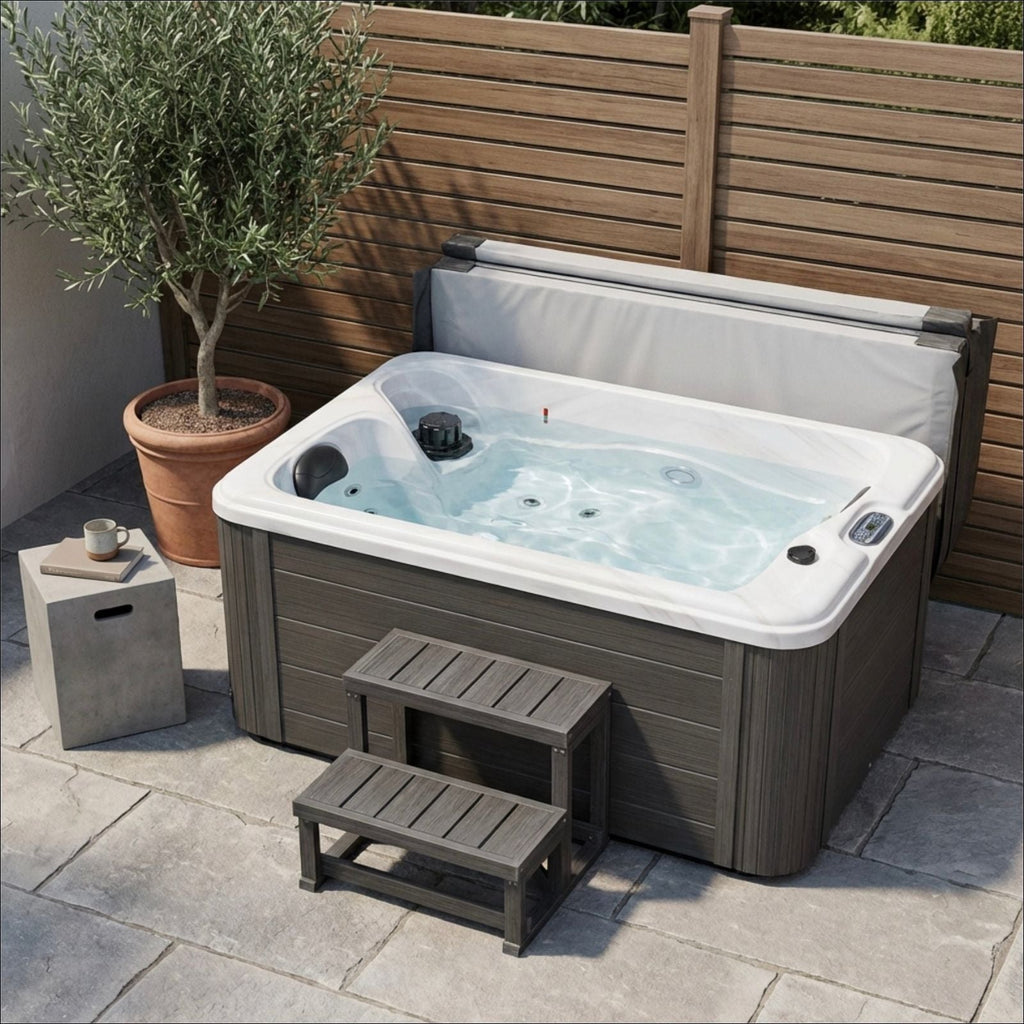
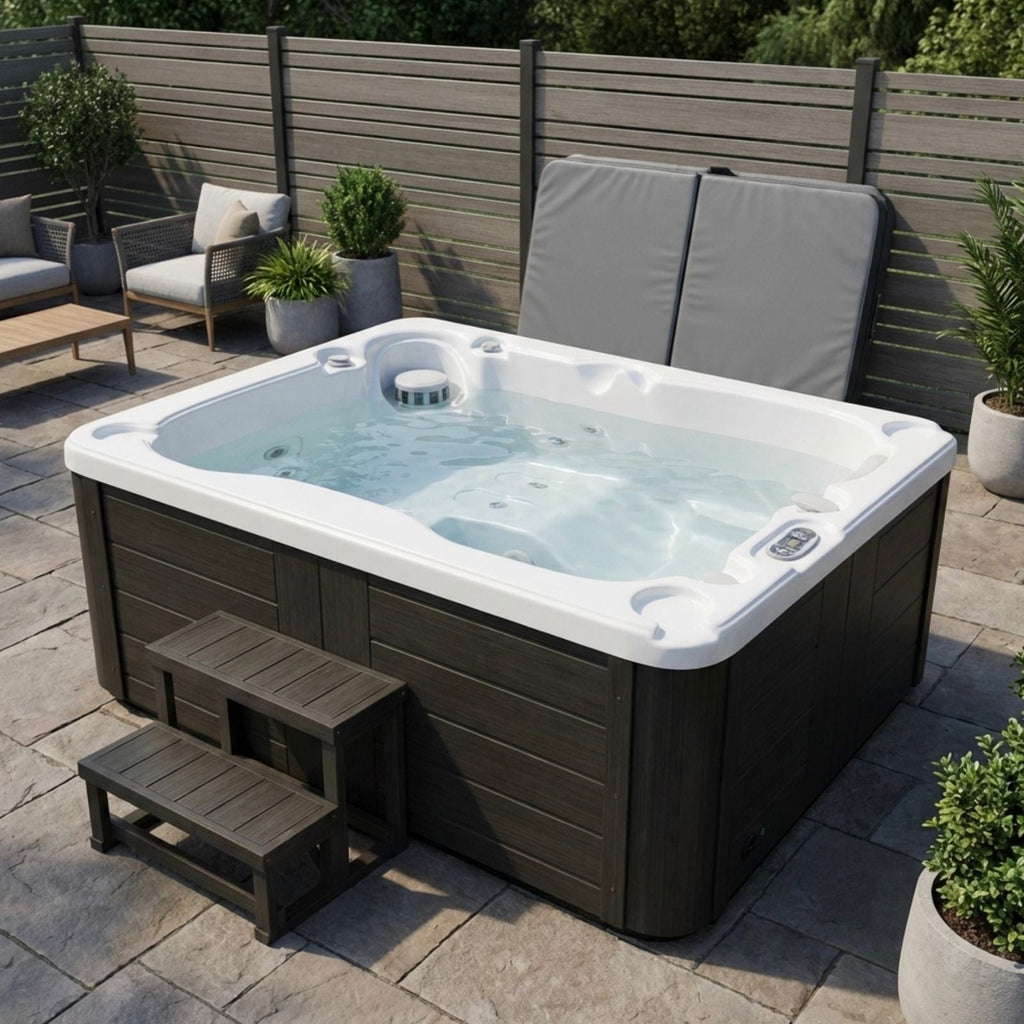
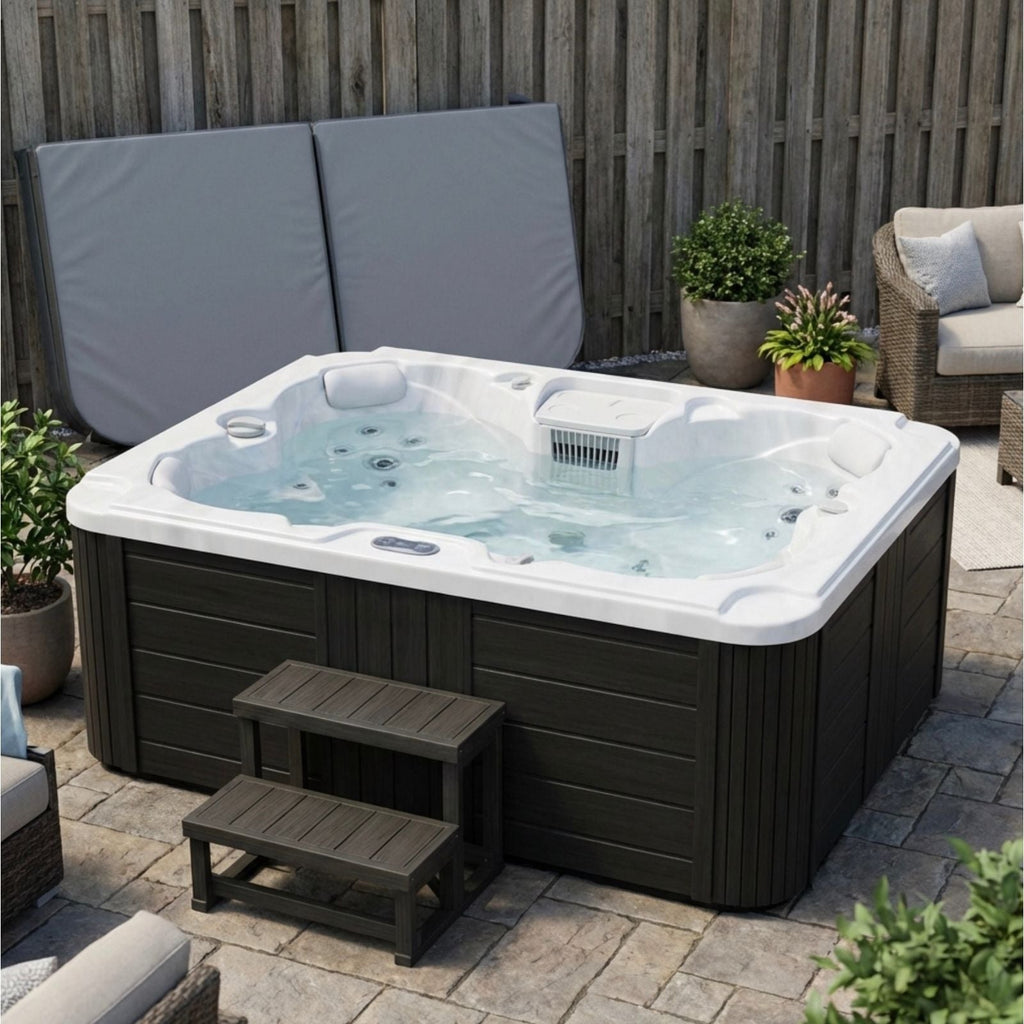
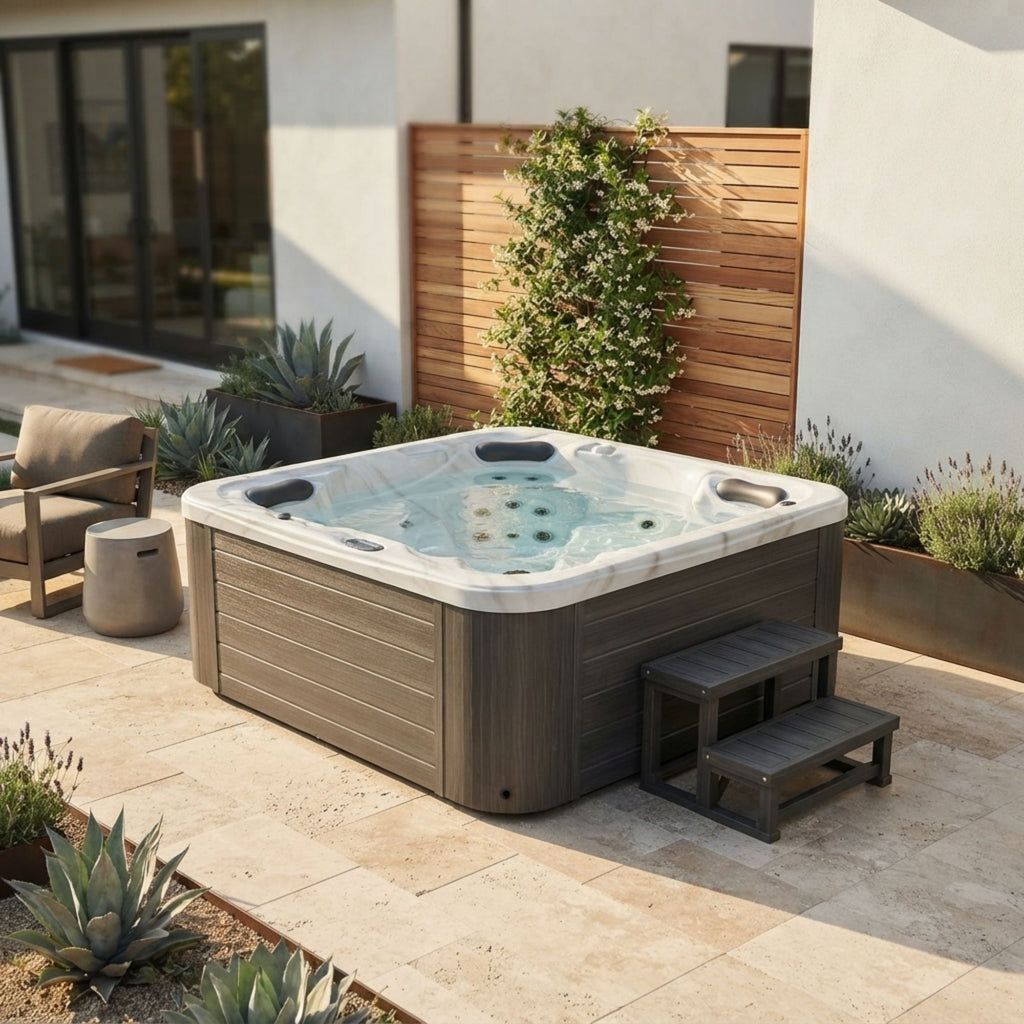
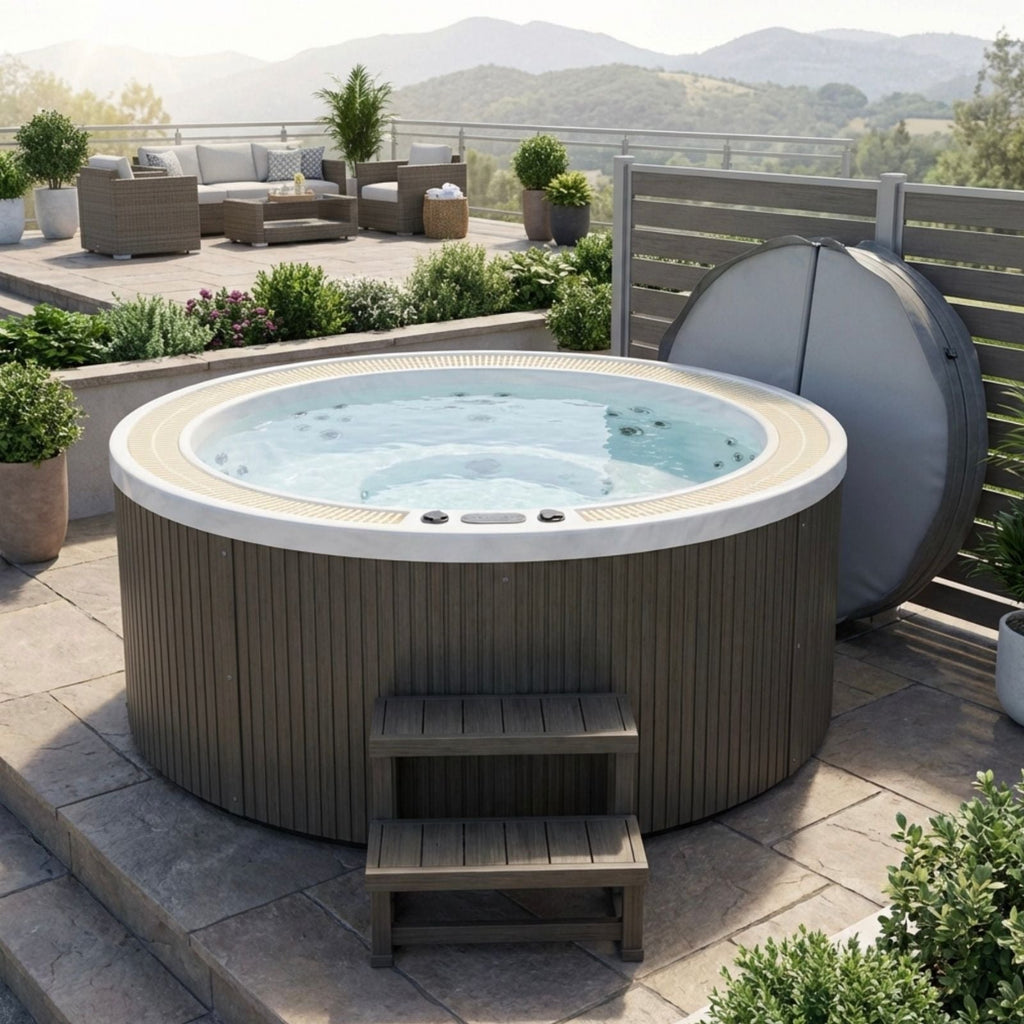
Transform your backyard into a place to relax, recover, and reconnect with a premium hot tub from Competitors Outlet. Whether you're looking for a compact plug & play hot tub for a patio, a spacious 7-person spa for entertaining, or a luxury model with powerful hydrotherapy jets, we offer hot tubs for every lifestyle and budget.

Our collection includes 120V plug & play hot tubs, 240V acrylic spas, lounger hot tubs, open seating designs, energy-efficient models, and swim spas from trusted manufacturers. Whether your goal is easing sore muscles, creating a backyard retreat, or spending more time with family, we'll help you choose the right spa with honest advice and lifetime customer support.

A Practical Guide to Buying the Right Hot Tub

Shopping for a hot tub is exciting, but it can also feel overwhelming. One model has 30 jets, another has 60. Some plug into a standard outlet, while others require professional electrical installation. You'll also find different seating layouts, insulation systems, pumps, control panels, and dozens of optional features.

The good news is that choosing the right hot tub doesn't have to be complicated. This guide explains the differences in plain English so you can compare models with confidence and choose a spa that fits your space, your budget, and the way you actually plan to use it.

Why Buy a Hot Tub?

Why Homeowners Choose a Hot Tub

A hot tub often begins as a backyard upgrade but becomes part of a regular home routine. Warm water, buoyancy, and targeted massage jets create a space where the body can relax without carrying its full weight. That can make a hot tub especially appealing to active adults, retirees, couples, families, and anyone looking for an easier way to unwind at home.

Hydrotherapy and Everyday Comfort

The combination of warm water and moving jets may help loosen tight muscles, reduce the feeling of stiffness, and support relaxation after exercise or a long day. Many owners use their spa before bed, after walking or training, or simply when they want quiet time away from screens and daily responsibilities.

Year-Round Relaxation at Home

Unlike many seasonal backyard purchases, a properly installed and maintained hot tub can be used throughout the year. Cold-weather soaking is particularly popular because the contrast between cool outdoor air and warm water creates a relaxing experience that is difficult to reproduce indoors.

Time With Family and Friends

Open-seating hot tubs can become natural gathering spaces for conversation and entertaining. Couples may prefer a smaller spa with a lounger, while families and frequent hosts often benefit from upright seating that allows more people to face one another comfortably.

A Dedicated Wellness Space

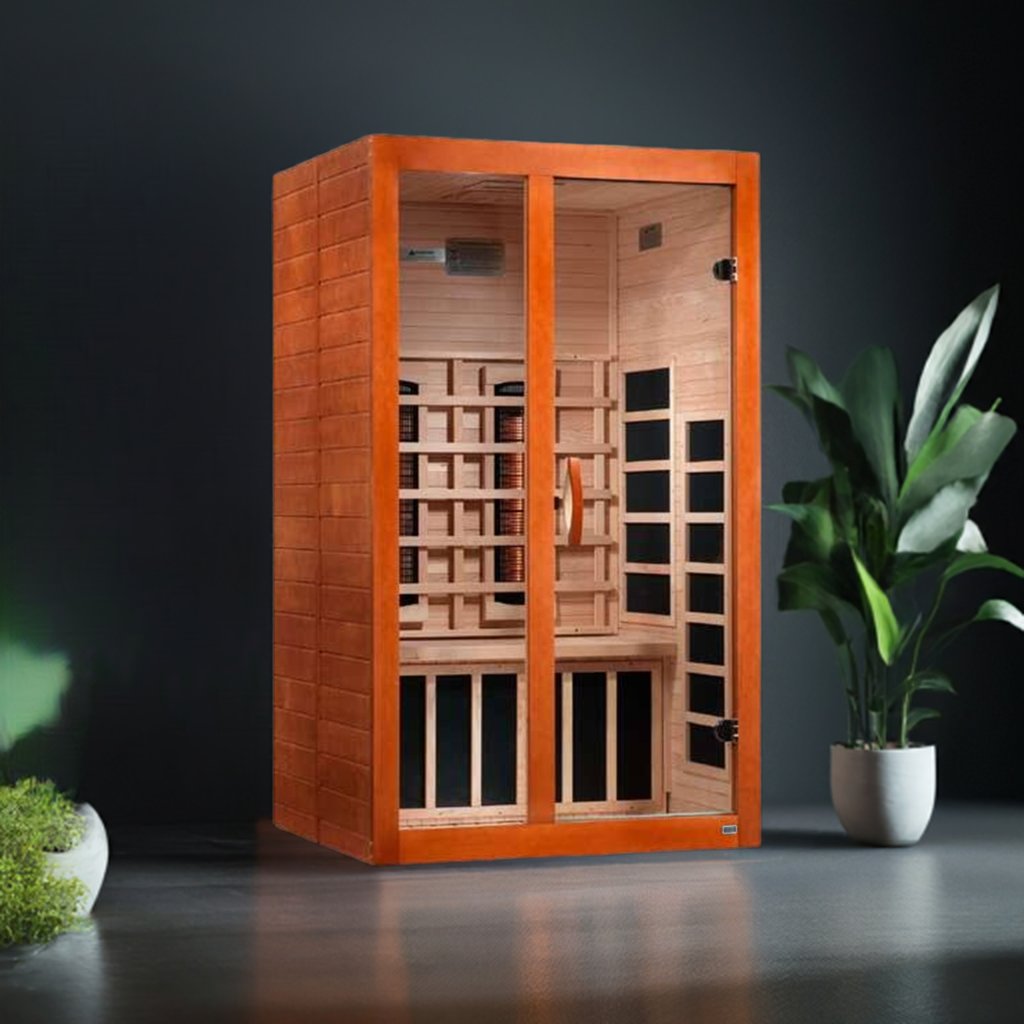
Hot tubs are also frequently paired with saunas, cold plunges, and home fitness equipment to create a more complete recovery and wellness area.

Understanding the Different Types of Hot Tubs

The most useful way to compare hot tubs is to look at how they are powered, how they are constructed, and how they are intended to be used. These differences affect heating performance, installation, seating, cost, and long-term ownership.

120V Plug-and-Play Hot Tubs

A plug-and-play hot tub connects to a compatible standard household outlet and is generally the simplest option for first-time owners. These spas are popular with couples, renters, and buyers who want to avoid major electrical work.

The tradeoff is available power. A 120V spa may take longer to heat and may have less ability to run high-powered jets while maintaining water temperature in very cold weather. It can still be an excellent choice when installation simplicity matters more than maximum performance.

240V Hot Tubs

A 240V hot tub requires professional electrical installation, including a properly located spa disconnect and dedicated circuit. In return, it can support stronger pumps, more heating capacity, and better simultaneous operation of the heater and jets.

These models are generally better suited for larger households, colder climates, frequent use, and buyers who want a more powerful hydrotherapy experience.

Lounger Hot Tubs

A lounger allows one person to recline with the legs extended while jets target the back, hips, calves, or feet. Loungers are popular with couples and buyers focused on full-body hydrotherapy.

Because the lounger occupies more floor space than an upright seat, it reduces the number of people who can sit comfortably. Shorter users should also compare lounger length and depth, since an oversized lounger can cause the body to float away from the seat.

Open-Seating Hot Tubs

Open-seating spas use upright seats around the perimeter. They are usually better for families and entertaining because the layout encourages conversation and makes it easier for users of different heights to find a comfortable position.

Acrylic Hot Tubs

Acrylic spas typically offer a polished appearance, molded seating, a wider range of jet configurations, and more premium cabinet and lighting options. They are often chosen by buyers who want a permanent backyard feature with stronger hydrotherapy and a more finished design.

Rotomolded Hot Tubs

Rotomolded spas are formed from durable molded plastic. They are generally lighter, simpler, and more affordable than acrylic models. They can be a practical choice for first-time owners, patios with limited access, or buyers who may need to relocate the spa later.

Swim Spas

A swim spa combines elements of a swimming pool and hot tub. It provides more room for exercise, aquatic therapy, family use, and relaxation, but requires considerably more space, site preparation, electrical capacity, and delivery planning than a standard spa.

Hot Tub Features That Affect Everyday Use

Some hot tub features are mainly decorative, while others directly affect comfort, maintenance, operating costs, and how often the spa gets used. Understanding the difference can keep you from paying for specifications that look impressive but add little practical value.

Jet Placement Matters More Than Jet Count

A spa with 60 jets is not automatically better than one with 30. The quality of the massage depends on where the jets are placed, which muscle groups they target, whether the pressure can be adjusted, and whether the pump provides enough flow when several seats are being used.

Look at the actual seating map. Well-positioned jets for the upper back, lower back, hips, calves, and feet may provide a better experience than a large number of small jets placed mainly for visual impact.

Pumps and Massage Performance

The number and strength of pumps affect how much water can move through the jets. Larger spas may use multiple pumps so different seating zones can operate with consistent pressure. Pump specifications should be considered together with jet count rather than viewed separately.

Insulation and Energy Efficiency

Good insulation helps the spa retain heat between uses, reduces how often the heater must run, and can improve cold-weather performance. The cover is also part of the insulation system. A properly fitted, well-insulated cover helps reduce heat loss and protects the water from dirt and debris.

Ozone and Other Water-Care Systems

An ozone system can help oxidize contaminants and reduce the workload placed on traditional sanitizers. It does not eliminate the need for water testing or approved chemicals, but it may make routine water care easier when used correctly.

Lighting and Water Features

LED lighting, waterfalls, illuminated controls, and exterior cabinet lights do not improve massage performance, but they can make nighttime use more enjoyable. These features are most valuable when they support the atmosphere you want rather than simply increasing the specification list.

Controls and Wi-Fi Connectivity

Reliable controls make it easier to adjust temperature, pumps, lighting, and filtration cycles. Wi-Fi connectivity can add convenience by allowing remote temperature checks or adjustments, but it should be treated as an added convenience rather than a substitute for dependable core components.

Steps, Covers, and Cover Lifters

Steps improve entry and exit, especially for shorter users or anyone with reduced mobility. A cover lifter makes a heavy spa cover easier to remove and store, which can significantly improve daily convenience.

Planning Your Hot Tub Installation

A hot tub is not difficult to own, but it does require more planning than most patio furniture. Before ordering, confirm the foundation, electrical service, delivery route, drainage plan, and the amount of working space around the spa.

Foundation and Filled Weight

A filled hot tub weighs several thousand pounds once water and occupants are added. It needs a flat, level, load-bearing surface such as a properly prepared concrete pad, approved spa pad, or professionally evaluated reinforced deck.

Do not assume an existing deck can support a filled spa. A qualified contractor or structural professional should evaluate the planned location when load capacity is uncertain.

120V and 240V Electrical Requirements

Many smaller plug-and-play spas use a compatible 120V outlet, but the exact outlet, circuit, and grounding requirements must follow the manufacturer’s instructions.

Most full-size 240V spas require a dedicated circuit, hardwired connection, and code-compliant spa disconnect installed by a licensed electrician. The disconnect is usually placed within the required sight and distance range without being close enough to reach from inside the water.

Delivery Access

Measure the complete path from the street or driveway to the installation site. Check gate width, fence openings, turns, stairs, slopes, roof overhangs, air-conditioning units, and other obstructions.

Hot tubs are often moved on their side using specialized carts. Difficult locations may require additional labor, temporary fence removal, or a crane. These services are usually separate from standard curbside freight delivery.

Indoor and Outdoor Placement

Outdoor installation is most common because it simplifies moisture management and ventilation. Indoor installations require careful planning for humidity, waterproof flooring, drainage, ventilation, and access for future service.

Filling and Draining

Most spas can be filled with a garden hose. Before installation, decide where the water will be drained during routine water changes and confirm that local rules allow that discharge method.

Service Access

A hot tub needs sufficient clearance around service panels so technicians can reach pumps, heaters, plumbing, and controls. Avoid permanently enclosing the cabinet without removable access panels.

Professional Installation Assistance

Competitors Outlet can help you review general delivery, placement, electrical, and installation considerations before purchase. Installation assistance may also be available depending on the product and location. Call or text us to discuss your setup before ordering.

How to Choose the Right Hot Tub for Your Household

Once you understand the main hot tub types, focus on how the spa will be used most often. The right choice for a retired couple will not necessarily be the best choice for a family that entertains every weekend.

For Couples and Smaller Patios

A 2-person or 3-person spa can provide comfortable hydrotherapy without taking over the yard. Couples who enjoy reclining may prefer a lounger, while buyers who want easier entry or more flexible seating may prefer two upright captain’s chairs.

For Retirees and Hydrotherapy-Focused Buyers

Prioritize easy entry, supportive seating, reachable controls, useful jet placement, and steps with secure footing. A slightly larger spa may be more comfortable than the smallest available model because it provides additional room to reposition the legs and avoid feeling confined.

For Families and Entertaining

Open seating usually provides the best social layout. Look beyond the advertised person count and consider whether adults can sit comfortably without knees and feet competing for the same central space.

For Cold Climates and Year-Round Use

Strong insulation, a quality cover, and 240V performance become more important in colder regions. Faster heat recovery can matter when several people enter the spa or when the cover is open for longer periods.

For First-Time Hot Tub Owners

A plug-and-play model can reduce the complexity of installation, but first-time buyers should still compare insulation, seating comfort, warranty coverage, and service access. Simpler electrical setup does not automatically mean every plug-and-play spa offers the same quality.

For Buyers Creating a Complete Wellness Space

Consider how the hot tub will relate to a sauna, cold plunge, shower, changing area, or home gym. Planning the entire space together can improve privacy, walking paths, drainage, and electrical placement.

The best hot tub is the one that fits the people who will use it, works with the property, and remains convenient enough to enjoy regularly.

Compare Hot Tub Types and Configurations

The best comparison is not simply which model has more jets or seats. It is how each configuration performs in the way you plan to use it.

120V Plug-and-Play vs. 240V Hot Tubs

A 120V plug-and-play hot tub is easier and less expensive to install. It is a practical choice for mild climates, smaller households, and buyers who prioritize convenience.

A 240V hot tub requires professional electrical work but generally provides faster heating, stronger pump performance, and better temperature recovery during cold-weather use. Buyers who plan to soak frequently, use powerful jets, or host several people often benefit from 240V performance.

Lounger vs. Open Seating

A lounger provides a reclined, full-body massage position but takes up considerable interior space. It is especially attractive to couples and solo users who care more about hydrotherapy than maximum capacity.

Open seating generally fits more people and works better for conversation, families, and guests. Buyers who are unsure often benefit from deciding whether massage position or social seating matters more.

Small Hot Tubs vs. Large Hot Tubs

A smaller spa usually heats efficiently, uses less water, and fits more easily into compact spaces. However, manufacturer capacity ratings describe the number of designated seats, not necessarily spacious adult seating.

A model labeled for six or seven people may be most comfortable for fewer adults during regular use. Buyers who expect frequent guests should review interior dimensions and seating layout rather than relying only on the advertised capacity.

Acrylic vs. Rotomolded Hot Tubs

Acrylic models tend to offer more molded seat shapes, stronger visual finishes, and more sophisticated jet layouts. Rotomolded models are often lighter, less expensive, and easier to position in spaces with limited access.

Hot Tub vs. Swim Spa

A hot tub is primarily designed for soaking, massage, and social use. A swim spa adds space for swimming, resistance exercise, walking, and aquatic therapy but requires a larger site, greater power capacity, and a substantially higher investment.

Common Hot Tub Buying Mistakes to Avoid

  • Choosing by jet count alone. Jet placement, pump performance, and seat comfort matter more than the number printed on the specification sheet.
  • Assuming advertised capacity equals spacious seating. A 6-person spa may be comfortable for fewer adults during normal use.
  • Failing to measure the delivery route. Gates, corners, stairs, overhangs, and narrow side yards can change the delivery plan and cost.
  • Ordering before confirming electrical requirements. A 240V spa requires proper wiring and a code-compliant disconnect installed before final setup.
  • Placing the spa on an unverified deck or uneven surface. The foundation must support the full weight of the water, tub, and occupants.
  • Ignoring service access. Pumps and controls need to remain reachable after landscaping, decking, or privacy panels are installed.
  • Buying the smallest model solely to save money. A cramped spa is less comfortable and may be used less often.
  • Overlooking insulation and cover quality. Heat retention affects operating cost and cold-weather performance.
  • Assuming standard freight includes backyard placement. Curbside delivery, moving, installation, electrical work, and crane service are separate services unless specifically stated.

Before choosing a hot tub, review these common questions about electrical setup, seating, delivery, maintenance, hydrotherapy, and year-round ownership.

Frequently Asked Questions About Hot Tubs

  • A 120V plug-and-play hot tub is generally easier and less expensive to install because it can connect to a compatible household outlet. It is a practical choice for smaller spas, first-time owners, and buyers who want to minimize electrical work.

    A 240V hot tub requires a dedicated circuit and professional installation, but it can usually support stronger pumps, faster heating, and better temperature recovery in cold weather. Frequent users and buyers seeking stronger hydrotherapy often prefer 240V performance.

  • The listed capacity refers to the number of designated seats, but it does not always mean that the spa will feel spacious with that many adults.

    A 2-person model can be comfortable for a couple, while a 5- or 6-person hot tub may be more comfortable for three or four adults during regular use. Review the interior dimensions, footwell, lounger placement, and seating layout rather than relying only on the advertised capacity.

  • Not necessarily. A lower jet count can provide an excellent massage when the jets are placed correctly and supplied by an appropriately sized pump.

    Compare which body areas the jets target, whether the pressure can be adjusted, and how many pumps serve the seating zones. Jet quality and placement generally matter more than the total number.

  • A hot tub needs a flat, level, load-bearing foundation capable of supporting the spa when filled with water and occupied. Common options include a professionally prepared concrete pad, an approved modular spa pad, or a reinforced deck that has been evaluated for the expected load.

    Do not place a hot tub directly on soft soil, uneven pavers, or an unverified deck.

  • Possibly, but the deck must be evaluated for the total filled weight of the hot tub, water, and occupants. A filled spa can weigh several thousand pounds.

    Have a qualified contractor or structural professional confirm that the deck can safely support the load and that there is adequate access for installation and future service.

  • Most 240V hot tubs require a licensed electrician to install a dedicated circuit, wiring, and code-compliant spa disconnect.

    Some plug-and-play models use 120V power, but the outlet and circuit must still meet the manufacturer’s requirements. Never use an extension cord unless the manufacturer specifically permits it.

  • A spa disconnect is a safety switch installed near a 240V hot tub so power can be shut off quickly for emergencies or service. Its placement must follow applicable electrical code and the spa manufacturer’s requirements.

    Disconnect boxes are often positioned discreetly on a nearby wall, behind a privacy screen, or in another code-compliant location. Conduit may also be routed so only a small section is visible near the spa.

  • Hot tubs designed for outdoor use can generally remain operational during winter when they are properly installed, maintained, insulated, and kept powered.

    A well-fitted cover and functioning heater are essential in freezing conditions. Follow the manufacturer’s winter-use instructions, and have the spa professionally winterized if it will be shut down during cold weather.

  • Many owners change the water approximately every three to four months, but the actual schedule depends on spa size, usage, water chemistry, filtration, and the number of bathers.

    Regular testing, filter cleaning, showering before use, and keeping the spa covered can help maintain water quality between changes.

  • Operating cost varies based on local electricity rates, climate, insulation, spa size, water temperature, usage frequency, and cover quality.

    A well-insulated spa with a properly fitted cover will generally retain heat more efficiently. Buyers in colder climates should pay particular attention to insulation and heating performance rather than relying on a single estimated monthly figure.

Talk With a Hot Tub Expert

Tell us about your space, household, and preferred features, and we will help you compare the hot tubs that best fit your needs.

Send us a message