Skip to content
Text or Call for Best Bundle Deals (646) 657-8856

Cable Crossover Machines

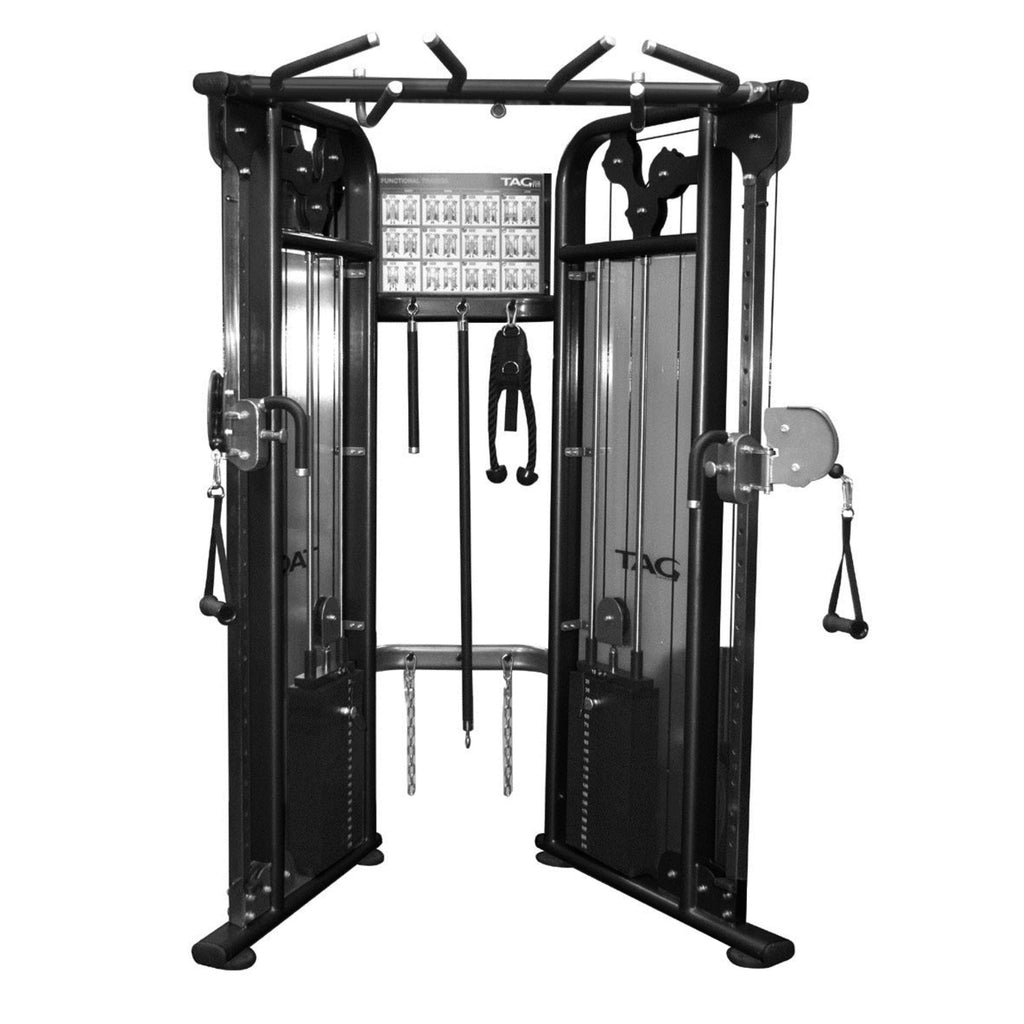
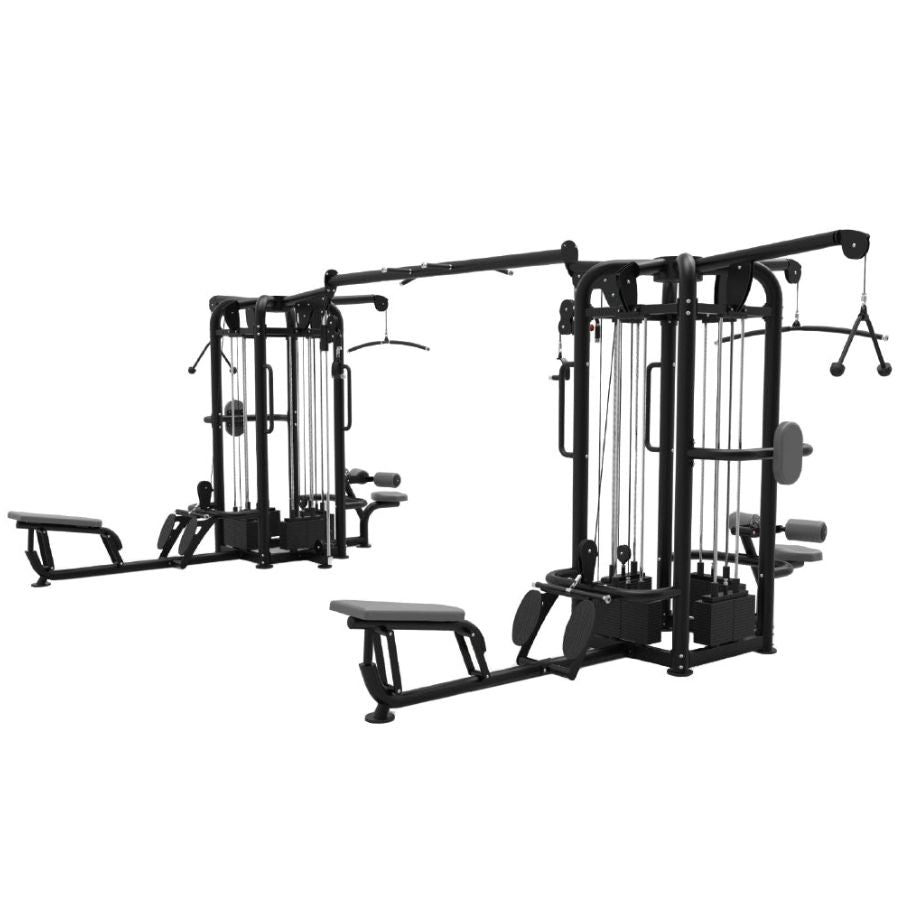
Cable crossovers are a strong fit for home users who want wide open cable movement, more room for presses and fly variations, and a broader cable setup than compact cable machines or cable columns. This collection includes cable crossovers and cable crossover machines designed for upper-body cable work, full-body accessory training, and versatile home gym use. If you are shopping for a cable crossover machine for home gym use, use the filters below to compare options by size, features, and price.

How to Decide if a Cable Crossover Is Right for You

Not sure if a cable crossover is the best fit for your space and training style? Use the guide below to understand where cable crossovers work best, what tradeoffs to expect, and how they compare with functional trainers, cable columns, and other cable machines.

Why Choose a Cable Crossover?

Cable crossovers are a strong choice for buyers who want a wider cable setup, more open movement, and more room for classic cable exercises like flys, presses, rows, curls, and lateral movements. They are especially useful in home gyms where space allows for a broader machine footprint and more expansive cable training.

Wider open cable movement

A cable crossover machine gives you more lateral space than many compact cable systems, which makes it useful for chest fly work, standing presses, rows, and broader cable movement patterns.

Strong for chest and upper-body training

Many shoppers looking for a cable chest crossover or cable fly machine are really looking for the open layout and movement freedom a cable crossover provides.

A better fit for larger training spaces

If you have enough room, a cable crossover can feel less restrictive than narrower cable machines. It is often a better match for home gyms that want a wider station layout.

Versatile full-body cable training

Cable crossovers are not just for chest work. They can also support rows, curls, triceps work, lateral raises, chops, lifts, and many lower-body accessory movements.

A cleaner fit than compact cable systems for some buyers

If you know you want broad cable movement and do not need a smaller vertical machine, a cable crossover may be the more natural fit than a cable column or compact pulley setup.

Best For

  • Buyers who want wide open cable movement
  • Home gyms with more available space
  • Chest fly, press, and row-style cable training
  • Shoppers comparing cable crossover machines
  • Users who want a broader cable setup than a compact machine

Less Ideal For

  • Smaller rooms or tight layouts
  • Buyers who need the most compact footprint possible
  • Shoppers who want a wall-mounted or narrow vertical cable machine
  • Users who prefer a smaller all-in-one cable solution

Still deciding if a cable crossover is the right fit? These quick answers cover the questions shoppers usually ask before buying.

Common Questions Asked about Cable Crossover Machines

  • A cable crossover is a cable-based strength machine with two pulley stations set apart on a wider frame, designed for flys, presses, rows, curls, and many other upper-body and full-body cable exercises.

  • Yes. Shoppers usually use those terms interchangeably when referring to the wider two-sided cable setup commonly used for chest flys, cable presses, rows, and other pulley-based training.

  • Yes, if you have enough space and want a wide open cable setup. A cable crossover machine can be a strong fit for home gyms that prioritize cable training and movement variety.

  • A functional trainer is usually more compact and often includes two adjustable pulleys in a narrower frame. A cable crossover usually offers more width and more open lateral space for broader cable movement.

  • A cable column is usually narrower and more space-efficient. A cable crossover is wider and often a better fit for buyers who want more open room for flys, presses, and full-range cable work.

  • Cable crossovers are best for buyers who want a wider cable setup, strong upper-body training options, and more room for cable fly, press, and row movements.

  • Yes. In addition to chest-focused work, a cable crossover can support back, shoulders, arms, core, and many accessory-based lower-body exercises.

  • No. It is popular for chest fly work, but a cable crossover machine can also support rows, presses, curls, triceps work, raises, rotations, and many other cable-based movements.

  • That depends on the model, but cable crossovers usually need more width and training clearance than compact cable machines. Always measure the total footprint and the workout space around it.

  • Look at total width, pulley height options, frame stability, attachment compatibility, and whether the machine fits both your available space and the types of cable exercises you want to do most often.

Need Help Choosing the Right Cable Crossover?

If you are comparing cable crossovers and want help narrowing down the best fit for your space, budget, and training style, we are happy to help before you order.

Send us a message