Skip to content
Text or Call for Best Bundle Deals (646) 657-8856

Rehabilitation Treadmills

Rehabilitation treadmills are built to help people walk, move, and rebuild confidence after injury—not chase top speed. These physical therapy treadmills prioritize low starting speeds, precise speed increments, long handrails, and cushioned decks so patients can focus on safe, repeatable steps. Whether you’re outfitting a clinic, therapy room, or a home rehab setup, each rehab treadmill in this collection is chosen to support controlled walking, progressive loading, and steady recovery.

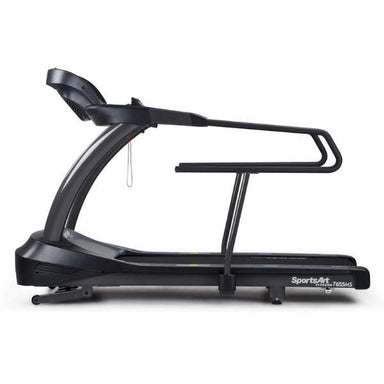
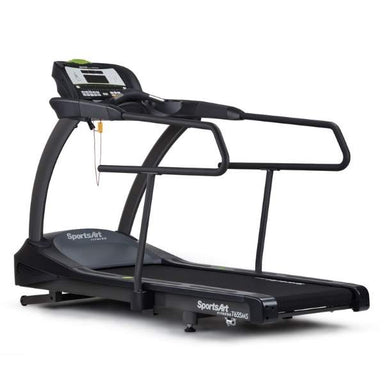
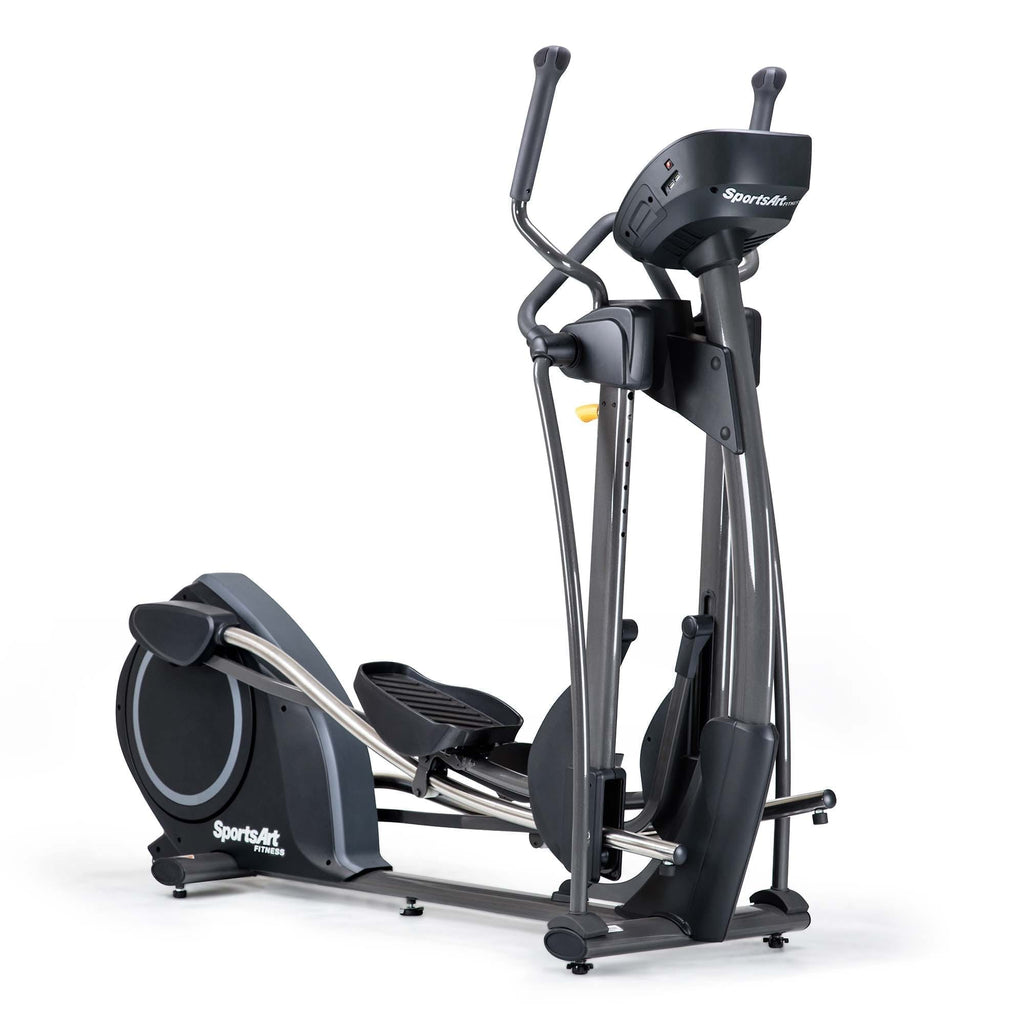
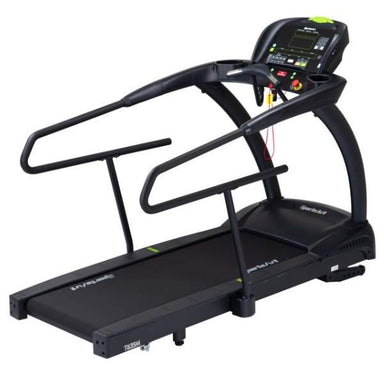
SportsArts Medical Treadmill T635M side view with 3 MPH Reverse Speed spec graphic

Why Choose a Rehabilitation Treadmill

  • Low Starting Speeds & Fine Increments → Rehab treadmills typically start at very low speeds with small adjustment steps, giving therapists and patients tight control over pace during early-stage physical therapy.
  • Extended Handrails for Stability → Full-length, often height-friendly handrails provide support from step one, helping users who need balance assistance feel secure throughout the entire walking surface.
  • Cushioned, Shock-Absorbing Decks → Softer deck systems help reduce impact on joints, making every therapy treadmill session easier on knees, hips, and backs—especially important for post-op and older patients.
  • Wide, Accessible Walking Surface → A generous belt and low step-up height make it easier for patients with limited mobility, walkers, or assistance devices to get on and off the rehab treadmill safely.
  • Therapist-Friendly Controls & Safety Features → Clear consoles, emergency stop systems, and easy-to-reach controls allow clinicians to manage speed and time, monitor response, and keep sessions focused on progress instead of fighting the equipment.
Steelflex Commercial Rehabilitation Treadmill PT10

Rehabilitation Treadmills FAQ

What makes a rehabilitation treadmill different from a regular treadmill?

Rehabilitation treadmills are designed for controlled, low-impact walking and physical therapy work. They usually offer lower starting speeds, smaller speed increments, extended handrails, softer decks, and accessibility features that standard fitness treadmills often skip.

What is the best treadmill for physical therapy?

The best treadmill for physical therapy is one that matches your patients’ mobility level and your clinic’s needs: low starting speeds, full-length handrails, a cushioned deck, and easy-to-use controls. In this collection, every unit is selected with rehab and clinical use in mind.

Can I use a rehab treadmill in a home setting?

Yes. Many rehabilitation treadmills work very well in home environments for users recovering from surgery, managing chronic conditions, or focusing on safe walking. Just confirm space, power requirements, and any guidance from your therapist or medical provider.

Are rehabilitation treadmills good for older adults?

Rehabilitation and therapy treadmills are often a great fit for older adults because they emphasize stability, low-impact walking, and safety features like longer handrails and emergency stop options.

What’s the biggest mistake people make buying an all in one gym?

Buying based on “max features” instead of footprint + workout fit. If it’s too large or too complicated, it turns into an expensive clothes rack.

Single stack or functional trainer—what’s better for most people?

If you want guided stations (press/leg developer/etc.), start with single stack. If you want cable versatility and athletic-style training, functional trainers usually win.

When does a multi-stack gym make sense?

When you expect heavier weekly use, multiple users, or you want more stations and faster transitions—this is where the “commercial minded” buyer should look.

How do I choose the best all in one home gym for a small space?

Prioritize footprint, step-in height clearance, and the exercises you’ll actually do 3 times a week. Compact and single stack gyms are often the best fit for space-limited homes.

Need Help Choosing the Right Equipment?

Get expert guidance on selecting the right equipment for your space, budget, and performance goals.

Send us a message