Skip to content
Text or Call for Best Bundle Deals (646) 657-8856

Ultra Low EMF Saunas

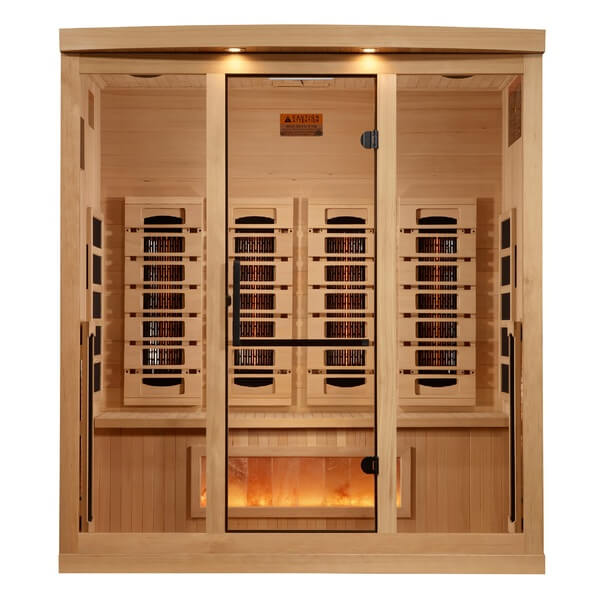
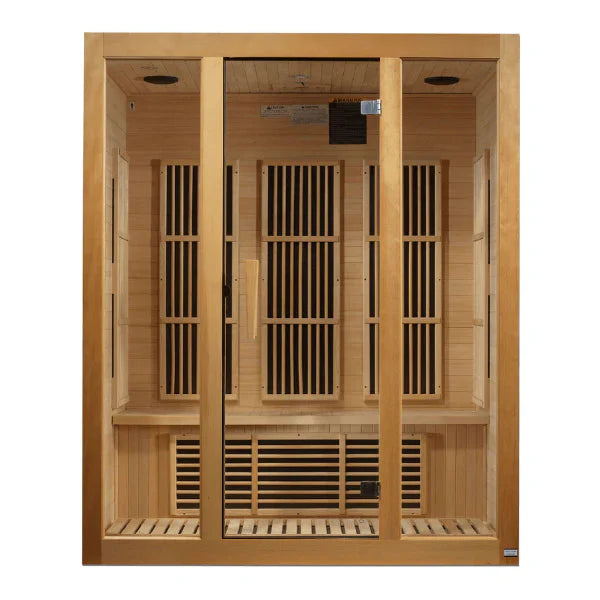
Ultra Low EMF Infrared Saunas are designed for buyers who want a more refined level of electromagnetic field reduction while still maintaining strong infrared performance. These models are engineered to measure between 3–5 milligauss (mG) at approximately 2 to 3 inches from the heating panels, offering a clear step above standard and low EMF sauna designs.

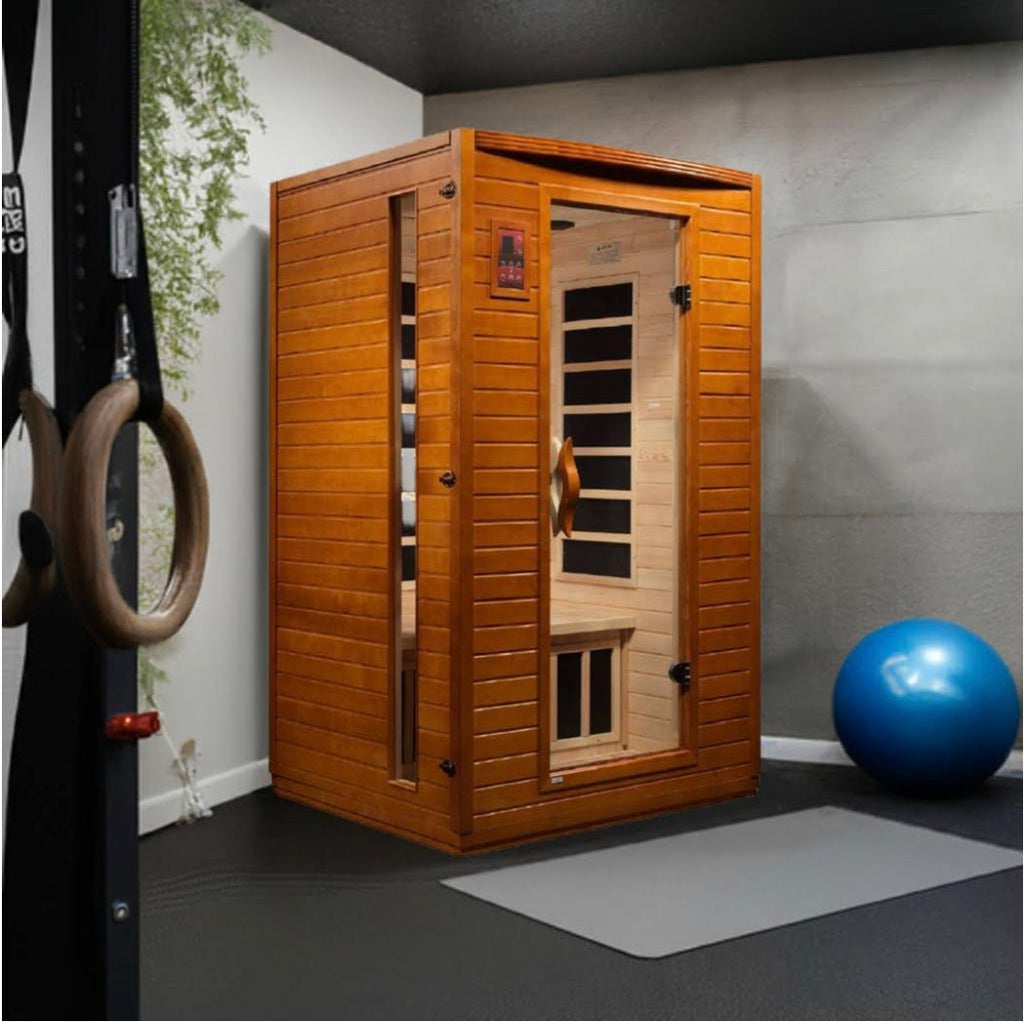
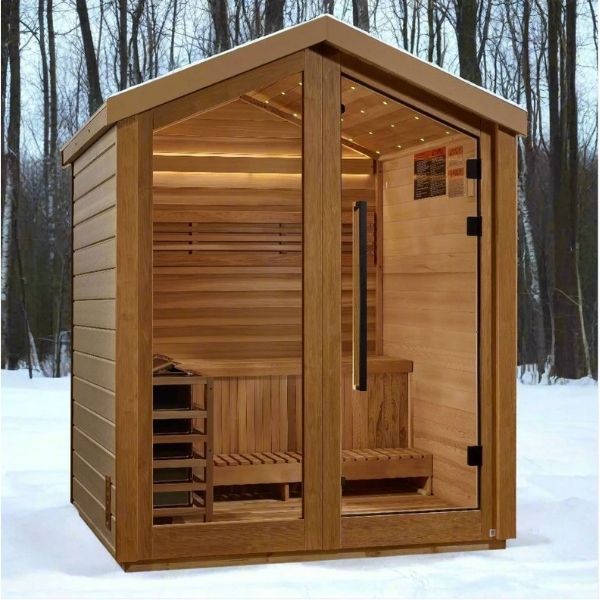
This collection includes ultra low EMF infrared saunas in a range of sizes and configurations, from compact 2-person units to larger multi-person cabins. Many models feature carbon heating panels, non-toxic wood construction such as Canadian Hemlock or Cedar, and simple home installation with standard electrical compatibility.

If you are comparing low EMF vs ultra low EMF vs near zero EMF, this category represents a balanced upgrade - delivering lower exposure through improved engineering without moving fully into near zero EMF designs. Read more below. 

Shop by: 1 Person | 2 Person | 3 Person | Full Spectrum | Far Infrared | Indoor Saunas | Outdoor Saunas

How to Choose the Right Ultra Low EMF Infrared Sauna

Ultra low EMF infrared saunas are built for those who want greater control over electromagnetic exposure without sacrificing performance, comfort, or usability. These models are designed to reduce EMF beyond standard and low EMF ranges, while still maintaining strong and consistent infrared heat.

Choosing between low EMF, ultra low EMF, and near zero EMF typically comes down to how much importance you place on EMF reduction versus price, features, and overall sauna design. This guide will help you understand where ultra low EMF fits and how to select the right model for your home.

Why Choose an Ultra Low EMF Infrared Sauna?

What EMF means and how Ultra Low EMF is defined

EMF (electromagnetic field) is produced by the electrical components inside an infrared sauna, including heaters and internal wiring. It is measured in milligauss (mG) and is often referenced based on proximity to the heating panels.

Ultra Low EMF saunas measure between 3–5 mG at approximately 2 to 3 inches from the heating panels. For comparison, Low EMF saunas typically fall between 5–10 mG, while Near Zero EMF saunas are designed to measure under 3 mG at the same distance.

Why Ultra Low EMF is a meaningful upgrade

Ultra low EMF saunas are engineered to reduce exposure further than standard and low EMF models, using improved wiring layouts, shielding, and internal design. For buyers who want more precision and lower measured output - without stepping into the most extreme category - ultra low EMF represents a clear and practical upgrade.

The core benefits of infrared sauna use (what actually matters long-term)

While EMF levels are an important consideration, the primary reason people invest in an infrared sauna is for the health, recovery, and wellness benefits of infrared heat.

Infrared saunas are commonly used to:

  • support muscle recovery and reduce soreness
  • increase circulation and blood flow
  • promote deep sweating and detoxification
  • reduce stress and improve relaxation
  • support joint comfort and mobility

Unlike traditional saunas, infrared heat works by warming the body directly, creating a more effective and comfortable sweat experience.

Why infrared saunas are easier to use consistently

Infrared saunas operate at lower temperatures, typically between 100–140°F, making them more comfortable than traditional high-heat saunas. This allows for longer sessions and more frequent use, which is key for achieving consistent results over time.

Materials, construction, and long-term durability

Ultra low EMF saunas are often built using high-quality, non-toxic materials, such as Canadian Hemlock or Canadian Red Cedar. These woods are chosen for their durability, stability under heat, and resistance to moisture, making them well-suited for long-term indoor use.

Independent testing and verification

Many ultra low EMF sauna models are tested by third-party labs to verify EMF and electric field levels. This provides additional confidence when comparing products and ensures the sauna performs as advertised.

A premium choice for consistent home use

Ultra low EMF infrared saunas are typically chosen by buyers who plan to use their sauna regularly and want a higher level of confidence in both performance and design. They offer a strong balance between reduced EMF exposure, effective heating, and long-term usability.

Best For

  • Buyers looking for a step above Low EMF without going fully into Near Zero
  • Shoppers comparing EMF levels across sauna categories
  • Frequent or daily sauna users
  • Home wellness and recovery routines
  • Buyers prioritizing build quality and engineering
  • Indoor home gym or wellness spaces
  • Customers researching safest infrared sauna options

Less Ideal For

  • Buyers looking for entry-level or lowest-cost saunas
  • Shoppers who are not concerned with EMF levels
  • Outdoor-only sauna setups without protection
  • Users looking for traditional steam sauna experiences
  • Buyers seeking the absolute lowest EMF category (Near Zero)

Still comparing ultra low EMF infrared saunas? These answers cover EMF differences, infrared benefits, materials, setup, and what to expect before choosing the right sauna.

Frequently Asked Questions

  • Ultra Low EMF is a measurable step down from Low EMF - not just a label. Low EMF typically falls in the 5–10 mG range, while Ultra Low EMF is engineered to fall between 3–5 mG at 2–3 inches from the heating panels.

    The difference comes from how the sauna is designed internally - particularly in the wiring layout and heating panel construction. While both categories are already lower than standard infrared saunas, Ultra Low EMF represents a more controlled and refined level of reduction, which is why it’s often positioned as a mid-to-premium tier.

  • Ultra Low EMF is often chosen as the most practical balance between performance, cost, and reduced exposure. While Near Zero EMF pushes levels even lower (under ~3 mG), it typically involves more complex engineering and higher pricing.

    Many buyers find that Ultra Low EMF provides a strong level of reduction without over-optimizing beyond what they personally need. It’s a middle-ground option for those who want more precision than Low EMF, but don’t necessarily need the most extreme specification available.

  • EMF levels are measured at 2–3 inches from the heating panels because it provides a consistent and standardized testing point across different sauna models. This allows manufacturers to compare performance under the same conditions, rather than relying on variables like seating position, body placement, or room environment.

    It’s also important to understand that EMF strength decreases as you move farther away from the source. Since the heaters are the primary source of EMF inside the sauna, measuring close to the panels represents a worst-case reference point. In real use, your actual exposure will typically vary depending on how the sauna is designed and how far you are from each heating element.

  • Far infrared heat penetrates below the skin’s surface - typically up to about 1.5 inches into the body - raising core temperature from within rather than just heating the air . This deep heating effect stimulates circulation, activates sweat glands, and creates a more efficient and sustained sweat response.

  • Infrared heat mimics the same radiant energy we receive from the sun - but without harmful UV exposure. The wavelengths used in far infrared saunas closely align with those naturally emitted by the human body, which is one reason they are absorbed efficiently and feel more comfortable during longer sessions

  • Traditional saunas rely on heating the air first, then the body. Infrared saunas reverse that process - heating the body directly. Because of this, you can achieve a deeper sweat at lower temperatures (100–140°F), making sessions more comfortable while still delivering strong physiological effects.

  • Ultra Low EMF is typically chosen by buyers who:

    • plan to use their sauna frequently
    • want more control over measurable EMF exposure
    • are comparing technical specifications between models

    It’s less about necessity and more about precision and confidence in the design.

  • From a physical experience standpoint, the sauna will feel similar to other infrared models. The difference is not in how it feels - but in how it’s engineered and measured, which matters more to buyers focused on long-term exposure and product design quality.

  • Both woods are stable under repeated heating and cooling cycles. Canadian Hemlock is odorless, clean, and cost-efficient, while Canadian Cedar is more premium, offering a natural aroma and greater resistance to moisture and bacteria. The choice is more about experience and preference than performance.

  • Many Ultra Low EMF saunas undergo multiple layers of testing, including:

    • resistance and electrical performance testing
    • electromagnetic radiation measurement at controlled distances
    • temperature stability testing
    • long-duration “burn-in” testing to ensure reliability

    These tests are often performed before the sauna leaves the factory to ensure consistency across units.

Send us a message