Save 31%
Why relax in a SunRay Bristow 2-Person Traditional Sauna? The Bristow 2-person outdoor traditional sauna is constructed of aged Canadian hemlock wo...
View full detailsSaunas have become one of the most searched tools for muscle recovery, relaxation, and long-term wellness at home. But once you start looking, it quickly gets confusing—infrared vs traditional, indoor vs outdoor, low EMF vs near zero, full spectrum vs standard.
This collection is designed to simplify that.
Here, you can explore infrared saunas, traditional steam saunas, hybrid models, indoor and outdoor builds, and understand how each one actually feels to use—not just how it’s described.
If you're comparing infrared sauna benefits, trying to understand sauna vs steam room differences, or figuring out what will realistically fit your space and routine, this page will help you make that decision with confidence.
Shop by: Infrared Saunas | Traditional Saunas | Hybrid Saunas | Indoor Saunas | Outdoor Saunas | Barrel Saunas | 2 Person Saunas
Save 31%
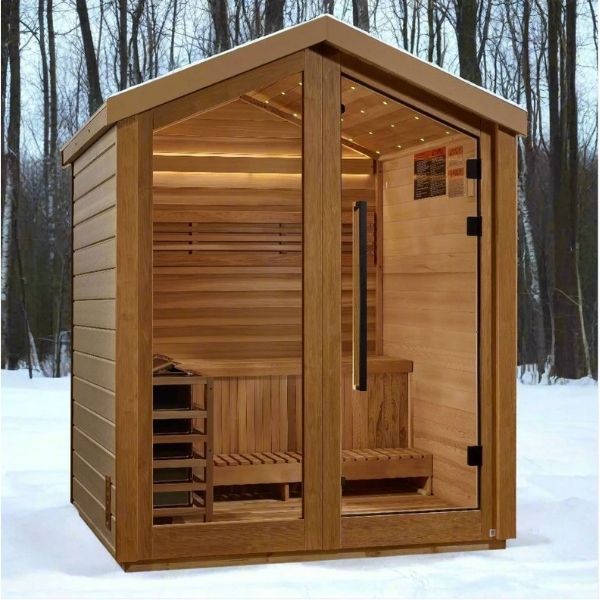
Why relax in a SunRay Bristow 2-Person Traditional Sauna? The Bristow 2-person outdoor traditional sauna is constructed of aged Canadian hemlock wo...
View full details
Save 31%
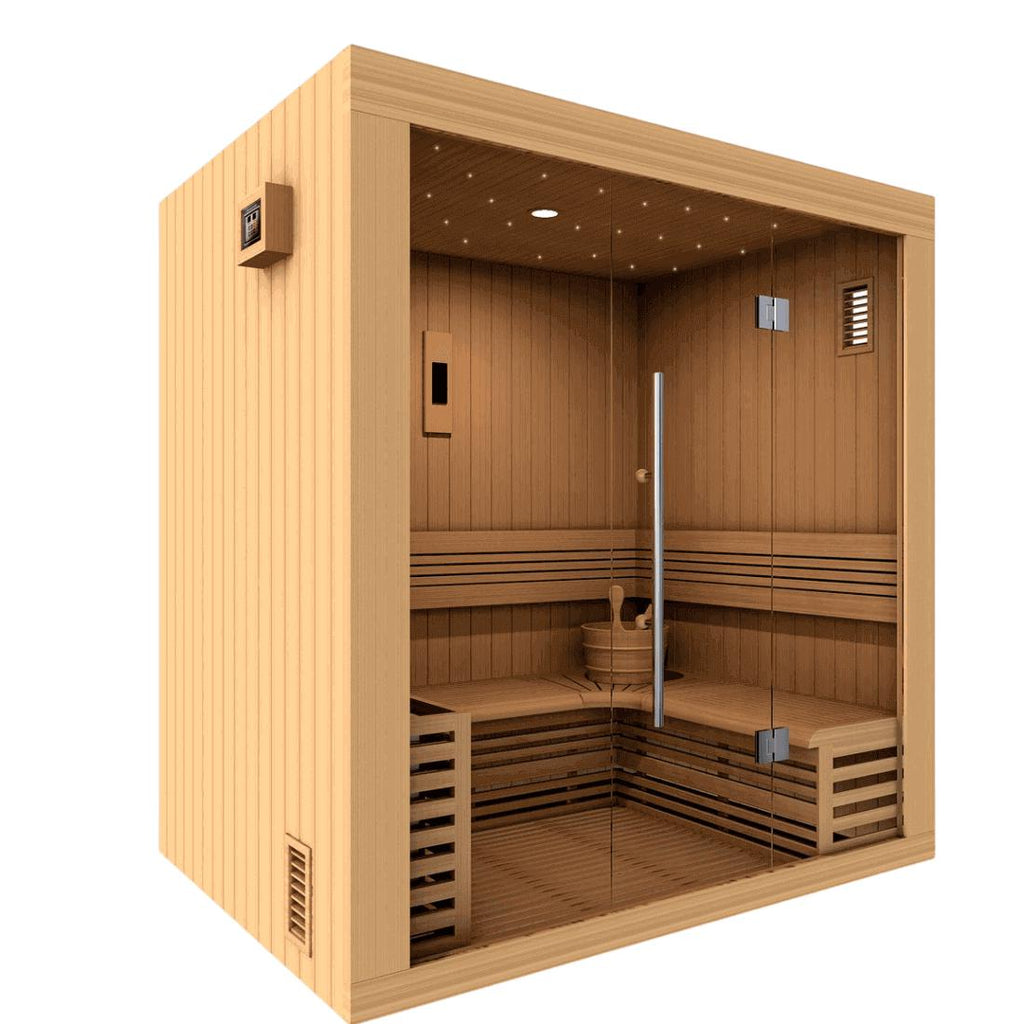
Why relax in a SunRay Eagle 2-Person Traditional Sauna? The Eagle 2-person outdoor traditional sauna is constructed of aged Canadian hemlock wood f...
View full details
Save 43%
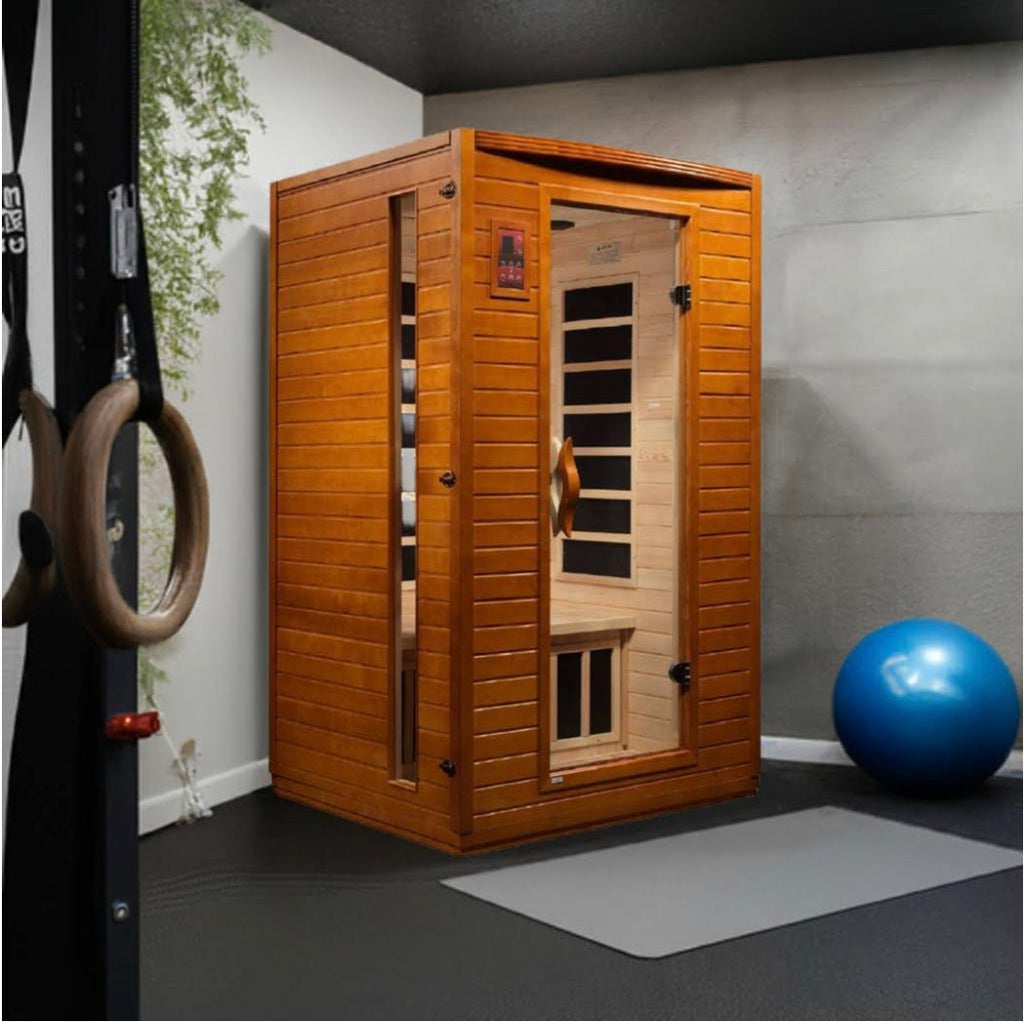
Discover the Dynamic "Cordoba" 2-Person Sauna Relax, Detox, and Heal with Low EMF Infrared Heat Relax and Rejuvenate in...
View full details
Save 0%
Rejuvenate with the Dynamic Santiago 2 Person Ultra-Low EMF Infrared Sauna Discover Wellness with the Dynamic Santiago Sauna ...
View full details
Save 22%
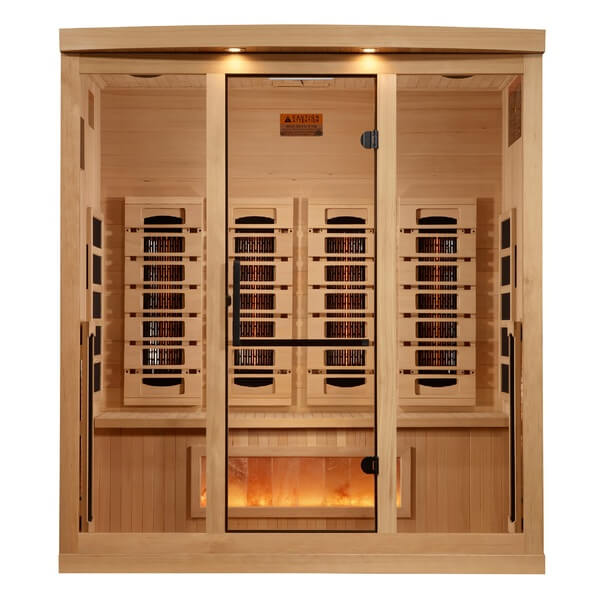
Discover Luxury and Health Benefits with the Monaco 6-Person Sauna Upgrade to Advanced Heating in a 6-Person Infrared Sauna ...
View full details
Sold out
Experience Luxury with the Dynamic La Sagrada 6 Person Ultra Low EMF FAR Infrared Sauna with 13 PureTech Heating Panels The La Sagrada 6-person sau...
View full details
Save 29%
c Discover the SunRay 3-Person Westlake Traditional Sauna 300LX Enhance Wellness and Recovery with the Luxurious SunRay Westlake ...
View full details
Save 30%
Why relax in a SunRay Rockledge 2-Person Traditional Sauna? The Rockledge Traditional Finnish Sauna by SunRay combines the sturdiness of rich hardw...
View full details
Save 45%
Experience the 4-Person SunRay Cayenne Sauna with 8 Heaters The Cayenne 4-Person sauna has a roof and weather cover making it suitable for outdoor ...
View full details
Save 30%
Decompress in a SunRay 3-Person Grandby Sauna HL300D The Grandby 3-person outdoor infrared sauna would look great on any patio, deck, or garden. Wi...
View full details
Save 28%
Relax and Rejuvenate Together with the SunRay Roslyn 4-Person Infrared Sauna Unwind in Style with the Spacious SunRay Roslyn 4-P...
View full details
Save 28%
Relax, Detox, and Reconnect with the SunRay Sequoia 4-Person Infrared Sauna Discover Ultimate Wellness with the Sequoia 4-Person...
View full details
Save 29%
Achieve Full-Body Relaxation with the SunRay Aspen 3-Person Sauna Experience Effortless Relaxation and Detox with the Aspen Saun...
View full details
Save 28%
Experience Ultimate Comfort and Wellness with the Evansport Sauna Transform Your Recovery Routine with the SunRay 2-Person Evans...
View full details
Save 29%
Relax, Recover, and Rejuvenate with the SunRay Sierra 2-Person FAR Infrared Sauna Transform Your Recovery Routine with the SunRa...
View full details
Save 28%
Rejuvenate with the SunRay Sedona 1-2 Person Cedar Infrared Sauna Transform Your Recovery Routine with the SunRay Sedona 1-2 Per...
View full details
Save 29%
Discover the SunRay Southport 3-person Indoor Traditional Sauna Transform Your Recovery Routine with the Southport 3-Person Trad...
View full details
Save 29%
Rejuvenate in Luxury with the SunRay Savannah 3-Person Infrared Sauna Transform Your Recovery Routine with the SunRay 3-Person S...
View full details
Save 29%
SunRay Baldwin 2-Person Traditional Sauna The Baldwin 2-person traditional sauna is the perfect way to relax and rejuvenate in the comfort of your...
View full details
Save 29%
Elevate Your Wellness with the Maxxus 2 Person Infrared Sauna, MX-K206-01 CED Maxxus 2 Person Sauna Delivers Deep, Soothing Hea...
View full details
Sold out
Detox in a 4 Person Dynamic "Grande Madrid Edition" Low EMF Far Infrared Sauna Have enough space to lay down or invite up to 4 friends and family t...
View full details
Save Liquid error (snippets/product-badge line 32): Computation results in '-Infinity'%
Bring a spa-like experience into your space with a Maxxus 3 Person Sauna Enjoy personalized comfort with easy-to-use controls and so...
View full details
Sold out
Dynamic "Palermo Edition" 3-Person Low EMF Far Infrared Sauna Dynamic Low EMF FAR Infrared Saunas are constructed with the environment in mind whic...
View full detailsMost people don’t come into this knowing exactly what they need - and that’s normal.
Some are just starting their search after hearing about sauna health benefits, while others are comparing infrared vs traditional saunas or trying to understand what actually matters before making a purchase.
This guide is built to meet you at any stage.
We’ll walk through how different sauna types actually feel to use, what features make a real difference over time, and what to expect when it comes to setup, electrical, and long-term use - so you can choose something that fits your routine, not just something that sounds good on paper.
Saunas are often grouped together, but in practice they deliver very different experiences depending on how they generate heat and how you use them over time.
A traditional sauna heats the air to a high temperature and allows you to pour water over heated stones to create steam. That steam is what gives it that intense, enveloping heat people associate with spas and gyms. It also gives you control over humidity, which changes how the heat feels from session to session.
An infrared sauna works differently. Instead of heating the air, it uses panels to warm your body directly. The temperature is lower, but the heat builds gradually, which makes it easier to stay in longer. This is why many people looking for infrared sauna benefits, recovery, or daily use prefer this style.
A hybrid sauna combines both systems, giving you flexibility to switch between infrared and traditional heat depending on how you want the session to feel.
You’ll also see barrel saunas, which are typically used outdoors. Their curved shape helps heat circulate more efficiently, allowing them to warm up faster and maintain temperature more evenly in open-air environments.
When shoppers compare infrared saunas, they often run into terms like Low EMF, Ultra Low EMF, Near Zero EMF, and Full Spectrum Infrared. These sound technical at first, but they are easier to understand once you know what each one is describing.
EMF stands for electromagnetic field. In simple terms, it is a type of energy created any time electricity is running. Phones, refrigerators, hair dryers, televisions, and sauna heaters all produce EMF because they use electricity.
The question is not whether a sauna has EMF. The question is how much.
That is where these labels come in:
Milligauss, or mG, is simply the unit used to measure EMF. A useful way to think about it is like volume on a speaker. The electricity is still on, but the amount of measurable EMF around you is turned down. Low EMF is like keeping the volume low. Ultra Low turns it down further. Near Zero turns it down as much as the system is designed to allow, near silent.
For many shoppers, especially those planning to use a sauna often, this matters because they want the heating benefits of infrared with lower day-to-day electrical exposure.
You will also see the term Full Spectrum Infrared. This refers to the type of infrared heat the sauna uses. Instead of relying on just one part of the infrared range, a full spectrum sauna uses near, mid, and far infrared wavelengths together.
Each wavelength plays a different role:
This is one reason full spectrum saunas often cost more. They usually require a more advanced heater layout, more complex panel construction, and additional internal components to deliver more than one type of infrared heat inside the same sauna.
In simple terms, a standard infrared sauna (Low EMF, Ultra Low EMF, or Near Zero EMF) gives you one main style of radiant heat. A full spectrum infrared sauna is built to give you a broader heat experience, which is why it tends to appeal to buyers who want a more premium setup, use their sauna regularly, or are specifically shopping for a higher-end recovery and wellness experience.
Beyond heater type, the materials and design details of a sauna can make a real difference in how it feels to own and use over time.
One of the first things shoppers notice is the wood. Most saunas in this category are built with either Canadian Hemlock or Canadian Cedar.
Hemlock is the more common choice because it is durable, clean-looking, and more budget-friendly. It has a lighter, more neutral appearance and is a practical fit for buyers who want a straightforward sauna without paying extra for aroma or upgraded wood character.
Cedar usually costs more for a few reasons. Cedar trees grow more slowly, the wood itself is more sought-after for sauna building, and it naturally has a richer smell and stronger resistance to moisture and odor. That is why cedar is often positioned as the more premium option. For many buyers, cedar is less about performance alone and more about getting a warmer, more traditional, more luxurious sauna feel.
Many infrared saunas also include added wellness features such as chromotherapy lighting and Himalayan salt bars.
Chromotherapy uses colored light inside the sauna cabin, such as red light therapy. Some people use it simply because it makes the sauna feel calmer and more spa-like. Others like it because different colors are commonly associated with different effects, such as relaxation, mood support, or a more restorative environment. The biggest practical benefit for most buyers is that it makes the sauna feel more immersive and enjoyable to use regularly.
Himalayan salt bars are another feature shoppers often ask about. In real use, they mainly add visual warmth, a softer ambient glow, a more elevated spa-style atmosphere, and air purification features. For many buyers, the value is not just technical. It is that the sauna feels more pleasant and more like a dedicated wellness space.
Placement is another major part of the decision, and this is where many first-time buyers get tripped up.
An indoor sauna is built for a controlled interior environment. That means a room where the sauna is protected from rain, direct weather exposure, and large temperature swings. Indoor models can work very well in basements, home gyms, spare rooms, garages, and other covered areas. But they are not designed to sit outside in the elements. If exposed to rain, moisture, sunlight, and outdoor temperature changes over time, the wood finish, seals, and electrical components can wear down faster than intended.
An outdoor sauna is built differently because it has to be. Outdoor models use construction and finishes intended to handle changing weather, humidity, and exterior placement. This is also where barrel saunas stand out. Their rounded shape is not just attractive - it also helps rain run off more easily and improves heat circulation inside the sauna. That makes them a strong fit for backyard use, especially for buyers who want a sauna that feels like part of an outdoor retreat with a hot tub or cold plunge rather than just another indoor appliance.
A good starting point is not “Which sauna is best?” but “What kind of use am I actually planning?”
A shopper who wants a sauna for daily recovery, gentle heat, and regular use after walks, workouts, or long days will often be happiest with an infrared sauna. This is especially common among aging buyers, retirees, and people who want a more approachable heat experience that feels easier to stay with over time.
A shopper who prefers a stronger, more traditional heat environment - especially one that feels closer to a spa or health club - may prefer a traditional sauna. Traditional heat tends to attract buyers who enjoy the ritual of higher heat, steam from water on stones, and shorter but more intense sessions.
A hybrid sauna makes the most sense when flexibility is the priority. It is often a strong option for households with mixed preferences, or for buyers who want both a lower-temperature infrared session and a hotter traditional session in one unit.
For most buyers, infrared saunas are the easier starting point. They are usually prefabricated panel systems designed for home assembly, and many are more straightforward in terms of both setup and day-to-day operation.
Traditional saunas often require more planning because the heating system is different. Since the experience depends on a dedicated sauna heater and heated stones, the installation can be more involved depending on size and power requirements. They may also need more thought around ventilation, clearances, and heater placement.
So the simplest way to think about it is this: infrared is often the easier path for buyers who want a practical home setup, while traditional usually makes more sense for buyers who are comfortable planning around a more built-in sauna experience.
This is where electrical planning becomes important.
Smaller 1- and 2-person infrared saunas are usually the simplest from an installation standpoint. They commonly use a 120V, 15 amp outlet and are typically recommended on a dedicated line. That is part of why these models are so popular for first-time buyers and finished interior spaces.
Larger 3-person infrared saunas and bigger usually require more power. They typically require a 120V, 20 amp outlet on a dedicated line, and some larger 4-person models may require additional power planning or consultation with an electrician.
A useful analogy is this: a small sauna is more like plugging in a standard household appliance. A larger sauna is more like adding a refrigerator, washer, or other larger appliance that needs its own proper line to run safely and consistently.
Different sauna types tend to make sense for different lifestyles.
The biggest mistake people make is choosing too quickly - before they understand how different saunas actually work.
A traditional sauna creates heat by warming the air, and then adding water to hot stones to create steam. That steam is what gives it that intense, enveloping heat people associate with a spa or gym sauna. You can control how humid it feels depending on how much water you add, which is something infrared simply doesn’t offer.
An infrared sauna works differently. Instead of heating the air, it uses panels to warm your body directly. The temperature is lower, but you still sweat - just in a more gradual, tolerable way. That’s why many people end up using infrared more consistently, especially for recovery or daily routines.
Temperature also plays a role here:
A hybrid sauna gives you both. You can use infrared when you want something easier and more frequent, and switch to traditional heat when you want intensity.
And then there are barrel saunas, which are typically used outdoors. Their shape isn’t just visual - it helps heat circulate naturally, so they warm up faster and more evenly. For backyard setups, they’re often the most efficient option.
Most issues don’t come from the sauna itself - they come from mismatched expectations.
One of the most common mistakes is assuming all saunas can go anywhere. An indoor sauna might look similar to an outdoor one, but it isn’t built for weather exposure. Moisture, temperature swings, and even sunlight can damage the wood and internal components over time.
Another common issue is underestimating electrical needs. Smaller saunas are simple, but larger ones behave more like appliances - they need dedicated power.
And then there’s over-focusing on specs without understanding them. Terms like EMF, full spectrum, or wattage sound important, but without context, they don’t help you make a better decision.
This is why understanding the basics first usually leads to a much better purchase.
If you’re still comparing options, these are the questions we hear most often - especially from customers trying to decide between sauna types, features, and real-world setup.
For many people, this is the reason they start looking in the first place.
Saunas are commonly used to support circulation, relaxation, and muscle recovery, but where they really stand out is in how consistently they can be used. That consistency is what makes the difference over time.
For older adults, retirees, or anyone dealing with stiffness, joint discomfort, or general fatigue, the gentle heat - especially from infrared saunas - can help the body feel looser and more mobile. Many customers describe it as something they look forward to daily, not just something they use occasionally.
For those recovering from workouts, injuries, or even medical treatments, saunas are often used as a way to:
You’ll also see people researching detoxification, skin health, and metabolism. While results vary person to person, the common thread is simple:
Heat encourages your body to respond - through sweat, circulation, and relaxation.
That’s why so many people end up using their sauna as part of a routine, not just a one-time purchase.
A traditional sauna uses dry heat, with the option to add steam by pouring water over hot stones.
A steam room, on the other hand, is fully enclosed and constantly filled with moisture.
So while both involve heat, the experience is very different:
The simplest way to understand it is how the heat is delivered.
Traditional saunas heat the air, and you can add water to create steam. That creates a more intense environment, which most people use in shorter sessions.
Infrared saunas heat your body directly. The air stays more comfortable, which makes it easier to stay in longer and use more frequently.
Neither is “better” - it depends on whether you prefer intensity or consistency.
EMF stands for electromagnetic field - energy created whenever electricity is running. All saunas produce EMF. The difference is how much. Here’s the simplest way to understand it:
Milligauss is just a unit of measurement—like inches or pounds.
Easy analogy: Think of EMF like background noise:
Full spectrum means the sauna uses multiple types of infrared heat instead of a single infared source that you would normally receive from a low, ultra low, or near zero EMF sauna.
Each type works at a slightly different depth:
In a standard infrared sauna, you’re usually getting mostly far infrared. That works well for most people. However, a Full spectrum systems requires:
If you prefer a more complete, higher-end experience, or plans to use the sauna frequently and wants flexibility in how the heat feels, a Full Spectrum Infared Sauna may suit you best.
Both Canadian Hemlock and Canadian Red Cedar are excellent materials, but they feel different - and that’s where price comes in.
Hemlock
Cedar
Why the price difference?
Cedar is:
Most buyers choose hemlock for value.
Buyers choosing cedar are usually looking for a more traditional, higher-end feel.
Chromotherapy is a lighting system that uses different colors inside the sauna.
Each color is associated with a different effect:
Some people use it intentionally, others just enjoy the atmosphere it creates.
Either way, it turns the sauna into more of a relaxation space, not just a heat session.
Salt bars are built into some infrared saunas and serve two main purposes:
They’re often associated with air quality and breathing benefits, but for most buyers, the biggest impact is how they change the feel of the space.
This is one of the most common surprises. A “2-person sauna” technically fits two people - but it’s usually a tighter fit.
Many customers end up choosing:
General rule:
If you have the space and budget, going one size up usually makes the experience more comfortable long-term.
It depends on the type:
There’s no strict rule - comfort is what matters most.
Whether you’re comparing infrared vs traditional, planning your space, or figuring out electrical requirements, we can help you narrow down the right option.
Not Sure What Fits Your Space?
We recommend equipment that aligns with your layout, budget, and long-term training goals.
Investing Thousands? Buy With Confidence.
Get expert guidance before you commit — so you buy once and buy right.
Need Equipment That Holds Up?
We carry trusted brands used in serious home gyms, studios, and commercial facilities nationwide.
Concerned About Delivery or Installation?
We walk you through shipping options, white glove availability, and what to expect before you place your order.