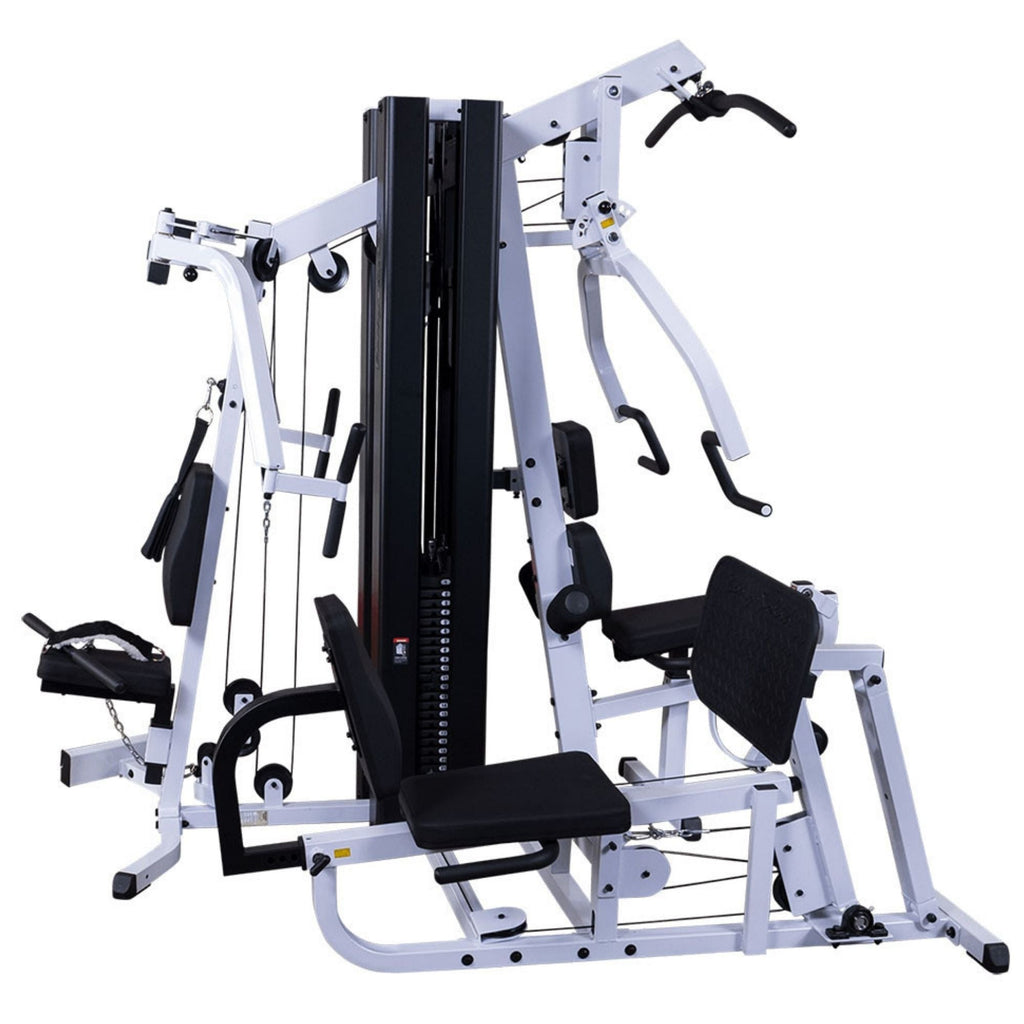
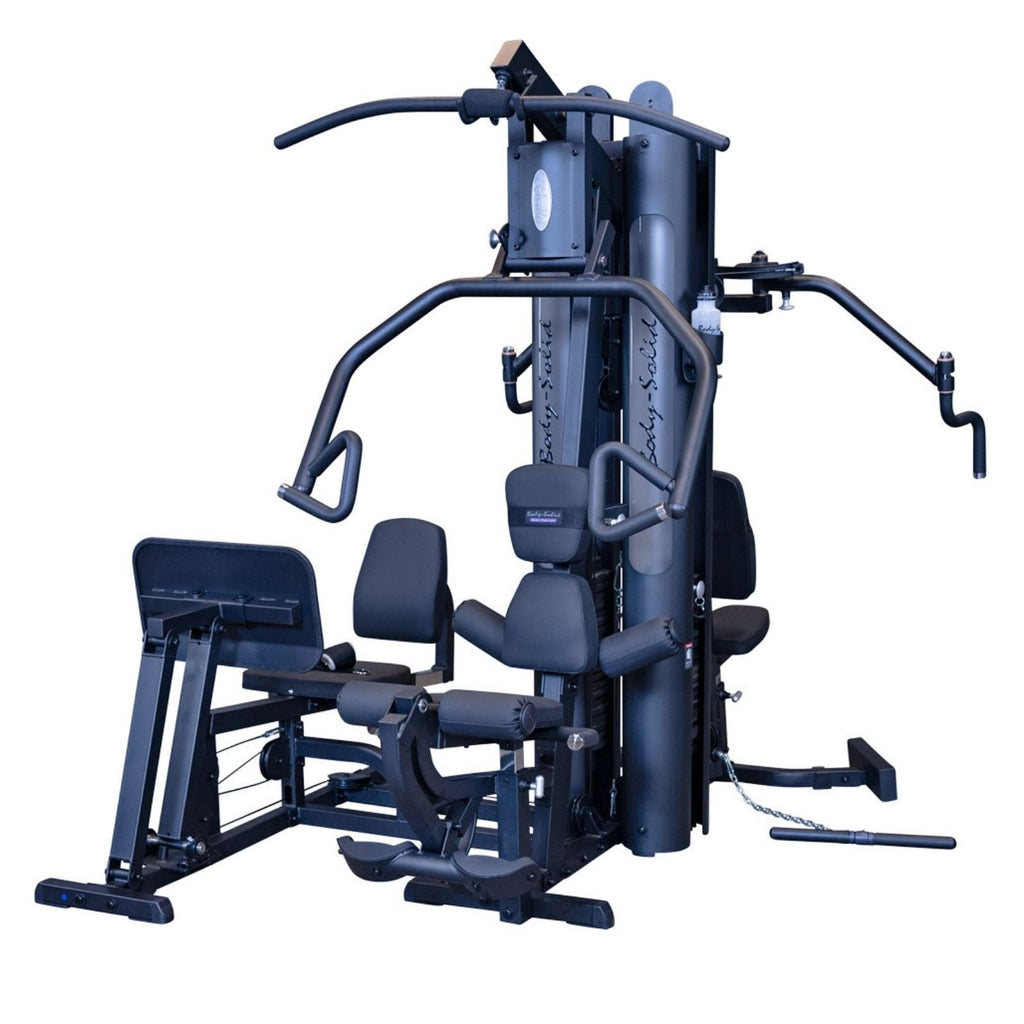
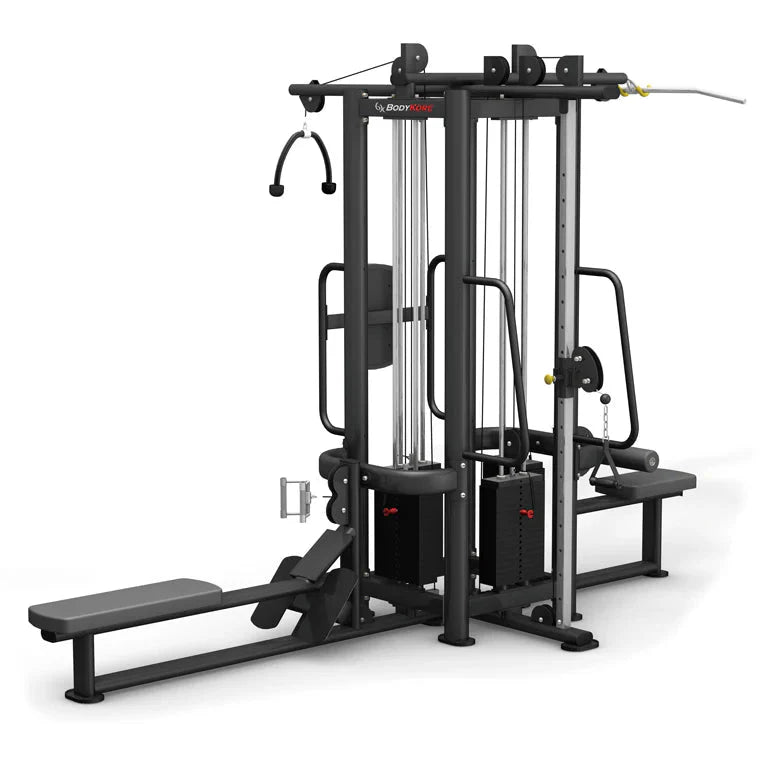
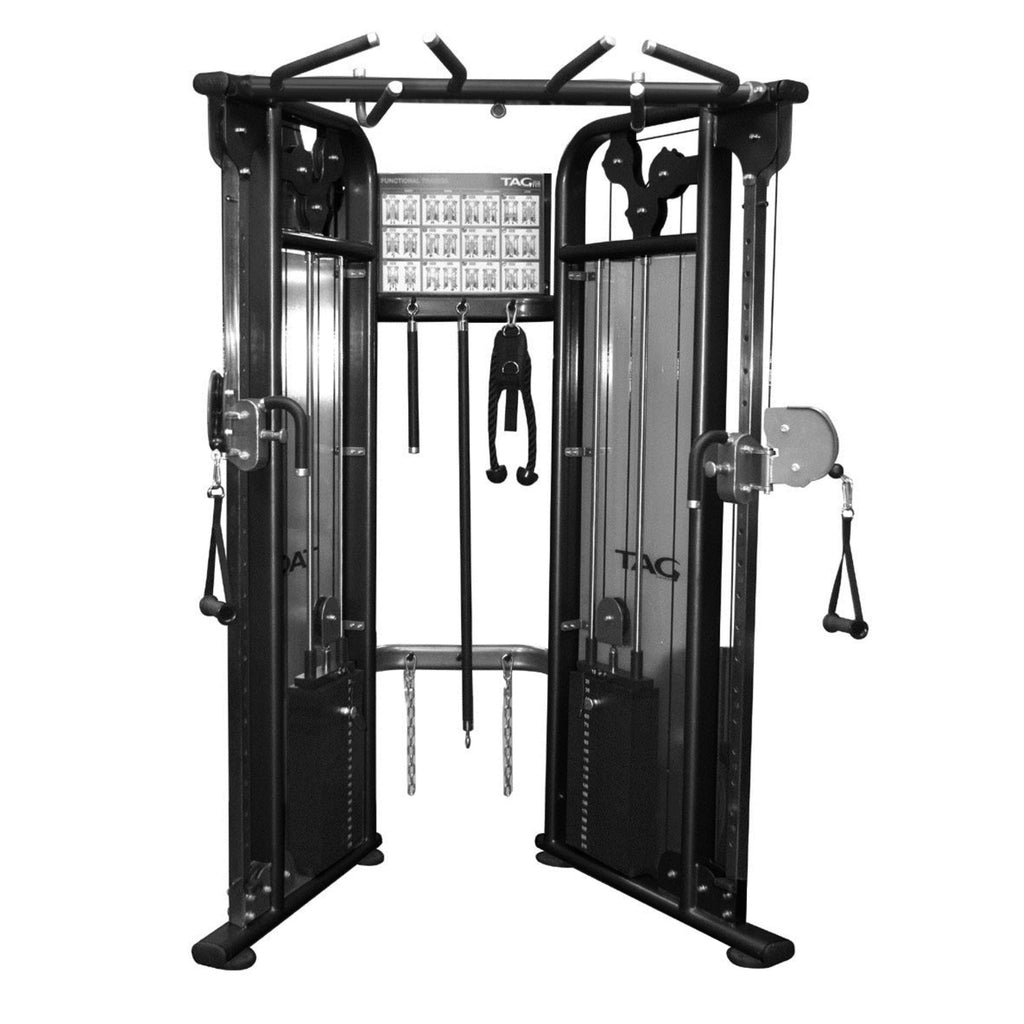
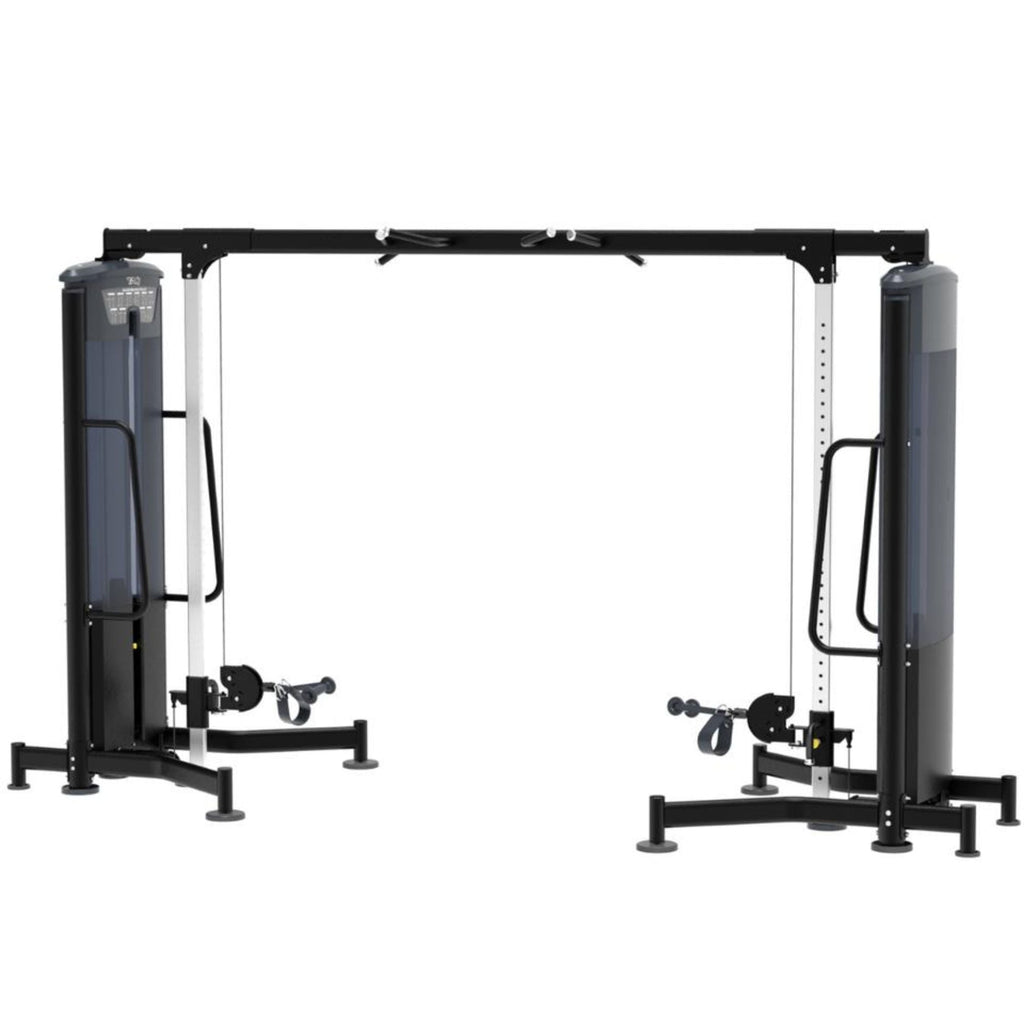
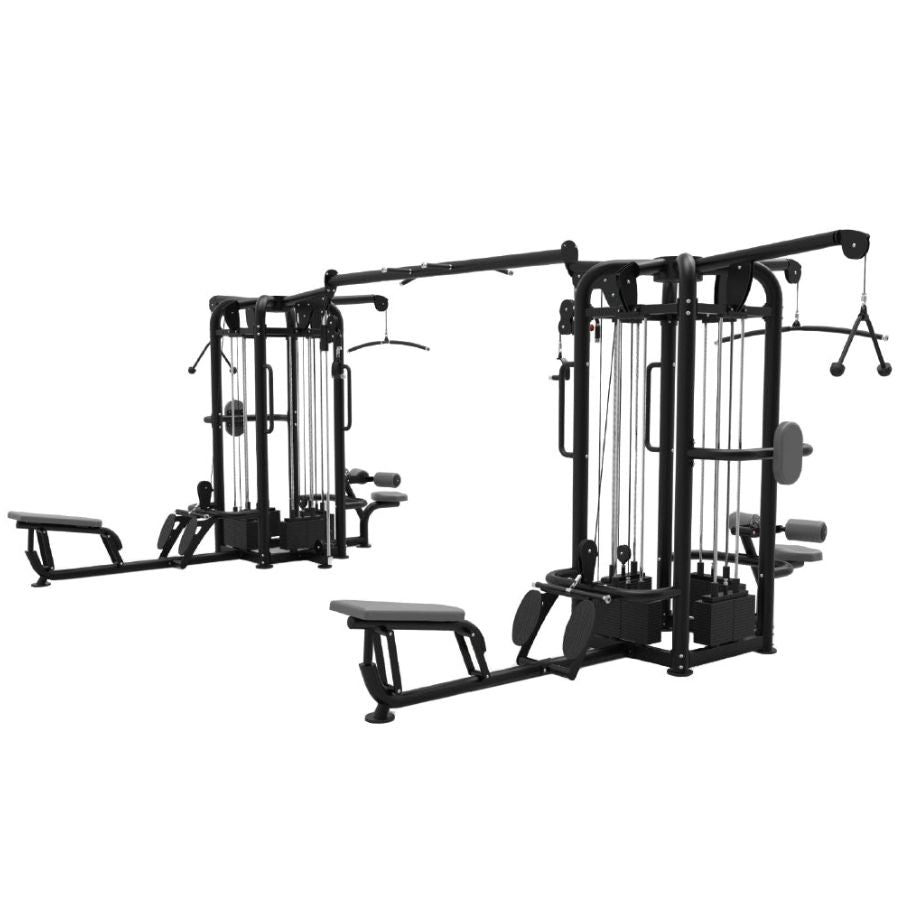
Not sure which cable machine style is right for your space and training style? Use the guide below to compare functional trainers, cable crossovers, and cable columns so you can choose the right fit for your home gym.
What Counts as a Cable Machine
A cable machine is a resistance machine built around pulleys and cable-based movement. Most cable machines let you train through a wider range of angles than fixed-path strength machines, which makes them useful for upper body, lower body, core, and accessory work.
Most cable machines include some combination of:
- Adjustable pulleys or fixed pulley positions
- Cable handles or attachment points
- Selectorized or plate-loaded resistance
- Pressing, pulling, lifting, chopping, and row-style movement patterns
Cable machines are popular because they support:
- More exercise variety in one machine
- Smoother transitions between movements
- Better accessory and athletic-style training
- Full-body training with one setup
Why Cable Machines Work Well in Home Gyms
More exercise variety from one machine
A cable machine for home gym use can cover presses, rows, flys, curls, triceps work, lateral raises, chops, lifts, and many other movements without needing multiple separate machines.
A practical fit for many training styles
Cable machines work well for general strength training, accessory work, athletic movement patterns, rehab-style training, and full-body workouts.
Better movement freedom than many fixed stations
Compared with more traditional multi-station gyms, cable machines usually allow more open movement and more exercise angles, which is why many buyers prefer them for home use.