Skip to content

We’ll help you pick the right one

Apartment Gym Equipment Packages for HOA & Multifamily

Create a better shared fitness amenity with apartment, HOA, and multifamily gym packages designed for residential fitness rooms where space, durability, ease of use, and resident variety all matter.

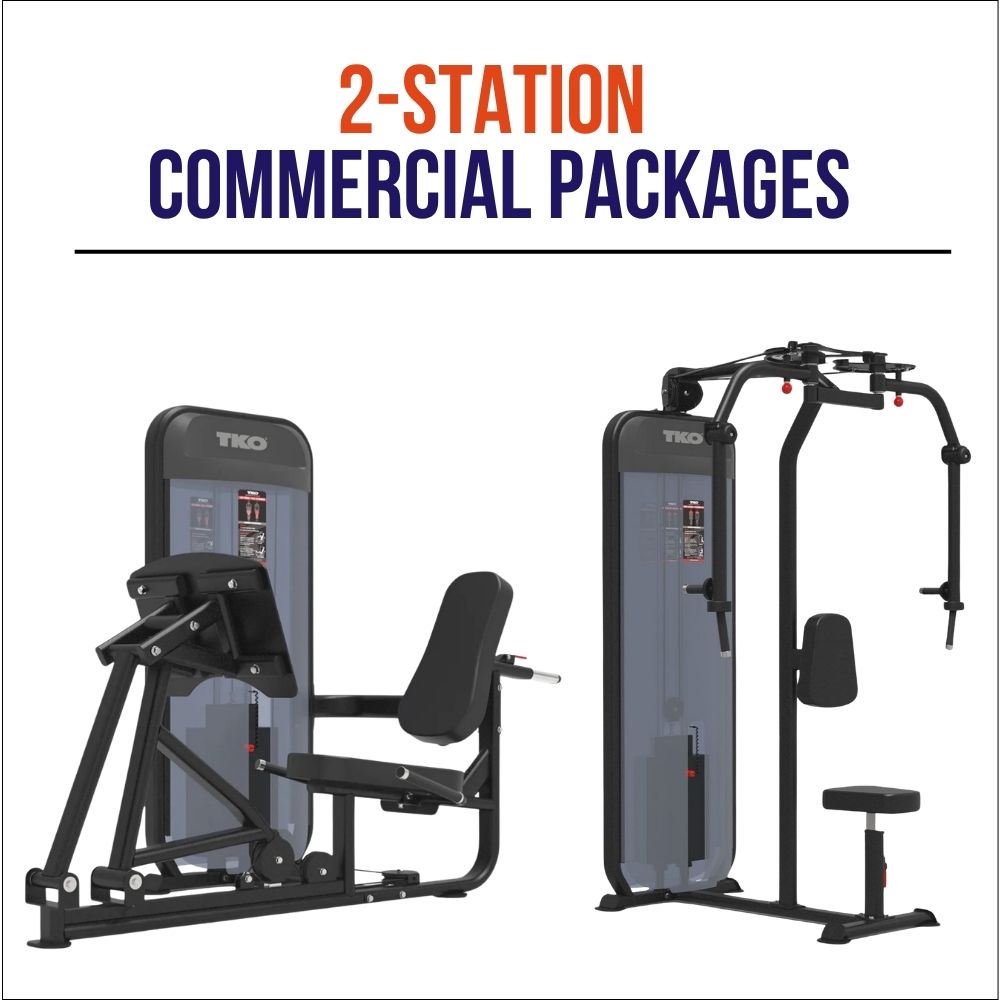
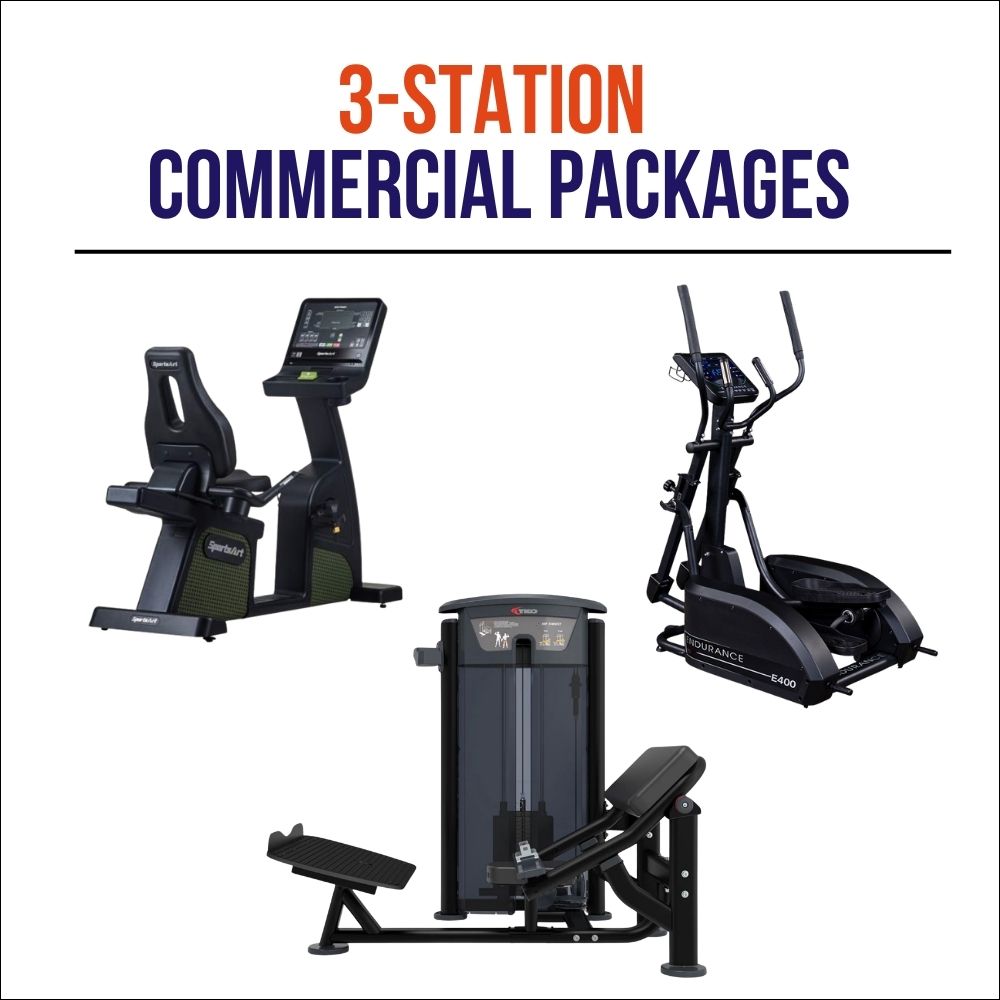
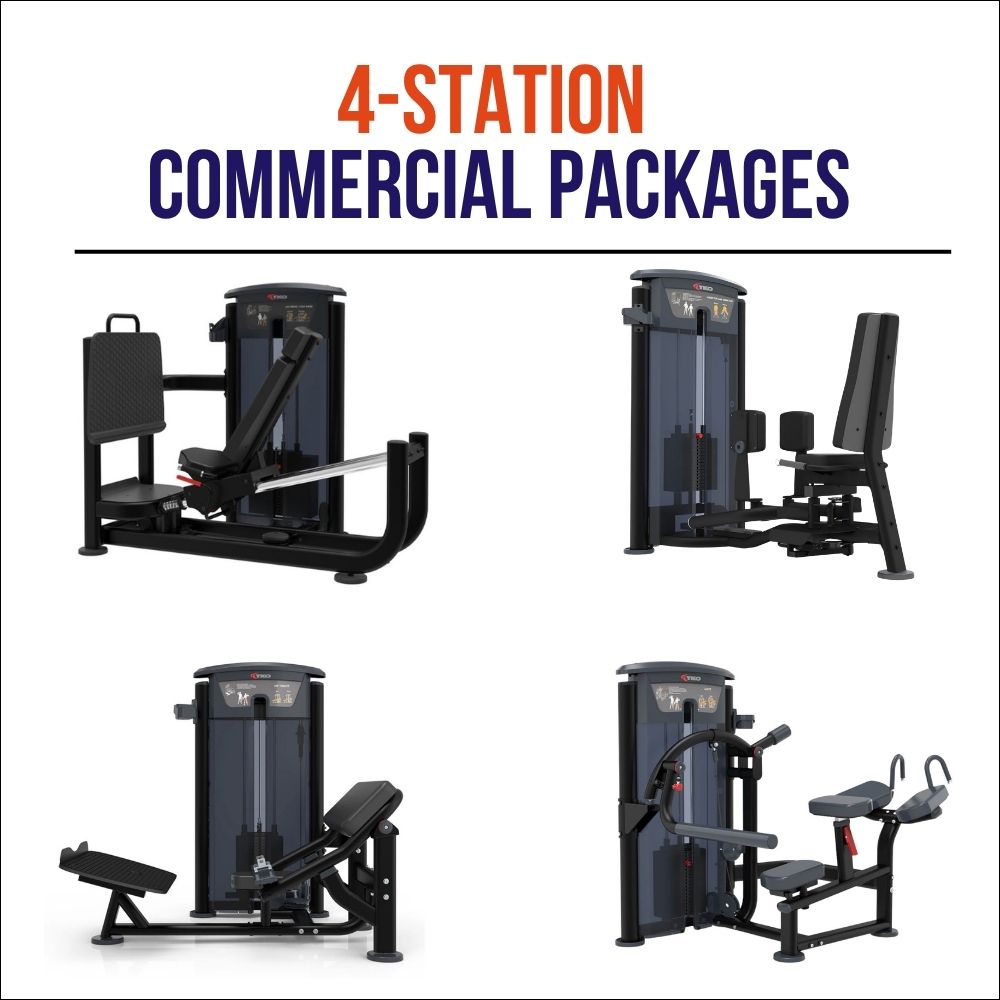
These commercial fitness equipment packages help property managers, developers, HOAs, and multifamily operators build practical strength-training areas without selecting every machine individually. Compare compact 2-station, 3-station, and 4-station circuits, selectorized equipment, dual-function machines, functional training options, and balanced full-body packages suited to shared residential use.

Whether you are outfitting a new apartment fitness center, renovating an older amenity space, or adding strength equipment to an existing cardio room, these packages make it easier to plan around your floor space, resident demographics, and budget.

  • A black TORQUE multi-functional home gym cable machine paired with a matching multi-tier weight rack holding dumbbells and kettlebells, set in a modern concrete-floored gym. Torque storage bay with weighted medicine balls on a 5 tier shelf with 6 kettle bells on the lower shelves. the storage bay also has a single cable column on the right side on a white background
    $10,948.00
    TORQUE TORQUE Cable Column Single Storage Wall System

    The Torque X-Create Apartment Gym System delivers full-body training, organized storage, and commercial-grade durability-without overwhelming your ...

    View full details

How to Choose Gym Equipment for an Apartment or Multifamily Fitness Room

A residential fitness room has different requirements than a large membership gym. Residents may range from beginners and older adults to experienced lifters, yet the space is usually smaller, largely unsupervised, and expected to remain easy to use throughout the day.

The best apartment and multifamily gym packages balance exercise variety with efficient use of floor space. Start by considering the number of residents the property serves, the size of the fitness room, the equipment already in place, and whether your priority is full-body strength coverage, compact multi-function training, or adding specific movement categories to an existing amenity.

What Makes a Good Apartment and Multifamily Gym Package?

Efficient use of limited amenity space
Residential fitness rooms rarely have unlimited square footage. Compact strength circuits and dual-function machines can provide multiple training movements without filling the room with individual single-purpose stations. This leaves more usable space for circulation, stretching, cardio equipment, and free weights.

Equipment that works for a broad range of residents
An apartment gym may be used by first-time exercisers, active adults, experienced lifters, and older residents in the same day. Equipment should be intuitive, adjustable, and approachable enough for users with different body sizes and experience levels. Selectorized machines are particularly useful in shared environments because resistance can be changed quickly without loading and unloading weight plates.

Balanced strength training instead of random equipment selection
A good residential fitness room should offer more than a collection of unrelated machines. Packages built around complementary upper body, lower body, core, and full-body movements make it easier to provide useful strength coverage while avoiding unnecessary equipment duplication.

Durability without creating an intimidating gym environment
Multifamily equipment needs to withstand repeated shared use, but a residential fitness center should still feel approachable. Commercial-grade frames, upholstery, cables, pulleys, and adjustment mechanisms can provide the durability property managers need without creating a space designed only for advanced strength athletes.

Low-supervision equipment matters
Most apartment and HOA fitness rooms do not have a full-time trainer or gym attendant. Machines with clear adjustment points, controlled movement paths, and straightforward resistance selection can make the room easier for residents to use independently.

Noise and vibration should be part of the equipment plan
A fitness center located below residences or on an upper floor requires more attention to impact, dropped weights, equipment movement, and floor vibration. Selectorized and guided strength machines can help create a more controlled environment, while appropriate commercial gym flooring can further reduce noise and protect the subfloor.

Packages can simplify phased renovations
Not every property needs to replace an entire fitness room at once. A 2- or 3-station package can establish an essential strength area first, while additional machines, cardio equipment, benches, dumbbells, and storage can be added as the amenity budget grows.

A well-planned fitness room supports the overall resident experience
The goal is not simply to fit as much equipment as possible into the room. A successful multifamily gym should be easy to navigate, offer meaningful exercise variety, and feel intentional. Choosing complementary equipment and preserving open space can create a more polished amenity than overcrowding the room with machines.

Best For

Apartment and condominium fitness rooms
HOA community fitness centers
Multifamily residential developments
New-construction amenity spaces
Fitness room renovations and equipment upgrades
Properties adding strength equipment to an existing cardio room
Shared gyms that need intuitive, low-supervision equipment
Facilities with limited floor space that need efficient exercise coverage
Property managers looking for coordinated commercial equipment packages
Developers planning a phased fitness amenity buildout

Less Ideal For

Very small rooms that cannot safely accommodate multiple commercial machines
Properties needing only a single replacement machine
Facilities designed primarily for competitive powerlifting or Olympic weightlifting
Spaces where significant impact or dropped weights cannot be managed with appropriate flooring
Projects requiring a fully custom equipment layout rather than a predefined package

Planning an apartment or multifamily fitness room involves more than choosing popular machines. These questions cover resident needs, equipment mix, floor space, noise, durability, and other practical considerations that can make a shared residential gym easier to use and manage.

Frequently Asked Questions

  • A well-planned apartment or multifamily gym usually includes a mix of cardio equipment, strength training, free weights, functional training, and organized accessory storage. The exact combination should reflect the available space, resident demographics, expected traffic, and budget rather than trying to fit every equipment category into the room.

  • Start with how residents are most likely to use the space. Cardio equipment such as treadmills, ellipticals, bikes, and rowers can serve a broad range of users, while selectorized machines, functional trainers, and free weights provide strength-training variety. Smaller fitness rooms usually benefit from versatile equipment that serves multiple training needs without overcrowding the floor.

  • Space requirements depend on the equipment mix and the number of residents the facility is expected to serve. Planning should account for more than machine dimensions—you also need circulation paths, exercise clearance, equipment adjustments, free-weight working areas, and open space for functional training or stretching.

  • Compact cardio machines, dual-function or selectorized strength equipment, functional trainers, cable systems, dumbbell packages, and vertical or integrated storage can work especially well in smaller rooms. The goal is to provide useful exercise variety without filling every available square foot with equipment.

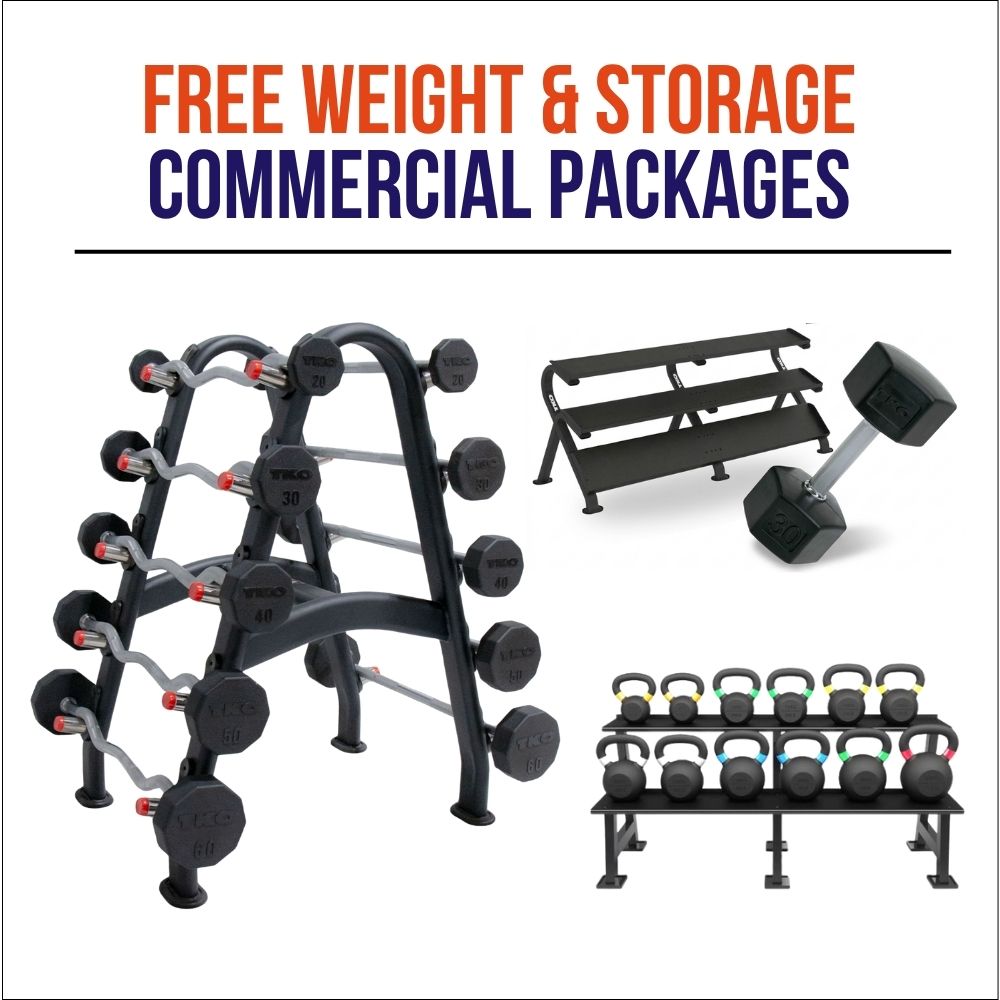
  • In many properties, yes. Dumbbells and fixed-weight barbells can provide a large number of strength exercises without requiring several individual machines. Commercial storage racks are also important because they keep shared fitness rooms organized and reduce loose equipment on the floor.

  • They can be, depending on the property and resident population. Plate-loaded machines may be a good fit for larger residential fitness centers, luxury properties, student housing, or communities with more experienced strength-training users. For general-purpose apartment amenities, selectorized equipment is often easier for a wider range of residents to adjust and use independently.

  • A balanced equipment mix works best. Selectorized machines and approachable cardio equipment can make the room easier for beginners to use, while dumbbells, functional trainers, racks, and other progressive strength options give more experienced residents room to advance.

  • Clearance varies by equipment type and manufacturer, so machines should not be positioned based only on their footprint. Allow adequate room for users to enter and exit equipment, adjust seats and arms, perform exercises through the full range of motion, and move safely through the fitness room.

  • Equipment placement and flooring both matter. Commercial rubber flooring can help manage impact and vibration, while free-weight and plate-loaded areas should be positioned thoughtfully—especially near walls, floors, or ceilings shared with residential units. Organized storage can also reduce dropped or misplaced equipment.

  • Consider the likely age range, fitness experience, and training preferences of the residents. A community serving a broad population may benefit from approachable cardio and selectorized equipment, while properties with younger or more experienced users may support a larger free-weight, rack, functional-training, or plate-loaded area.

What We Can Help You With

Whether you are furnishing a new residential amenity or upgrading an existing fitness room, we can help you compare equipment packages, plan around your available space, and build a setup that makes sense for your residents and budget.

Send us a message