Skip to content

We’ll help you pick the right one

College & University Fitness Packages

Build a versatile college or university fitness facility with commercial gym equipment packages designed for campus recreation, student wellness, strength training, and athletic performance.

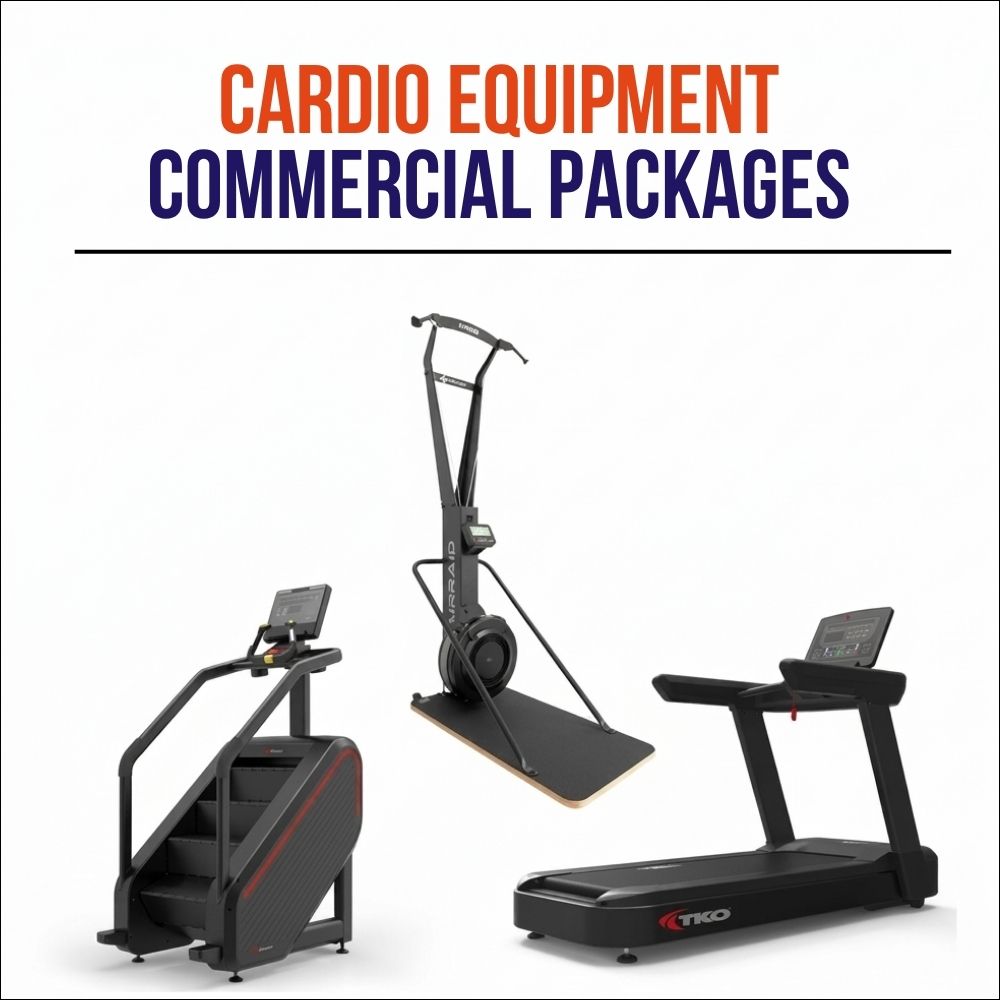
College fitness spaces can range from compact residence hall gyms to large student recreation centers and dedicated strength and conditioning facilities. The right equipment mix may include commercial cardio, selectorized strength machines, plate-loaded equipment, free weights, racks and rigs, functional training systems, accessories, and organized storage.

Whether you are furnishing a new campus fitness center, renovating an existing weight room, upgrading a residence hall gym, or expanding a collegiate training facility, these packages make it easier to compare equipment around your available space, expected traffic, training goals, and budget.

Planning a College or University Fitness Facility

College and university fitness facilities often serve several different user groups at once. Students may be looking for general fitness and recreation, experienced lifters may expect a substantial free-weight area, and athletic programs may require equipment that supports strength, power, conditioning, and functional training.

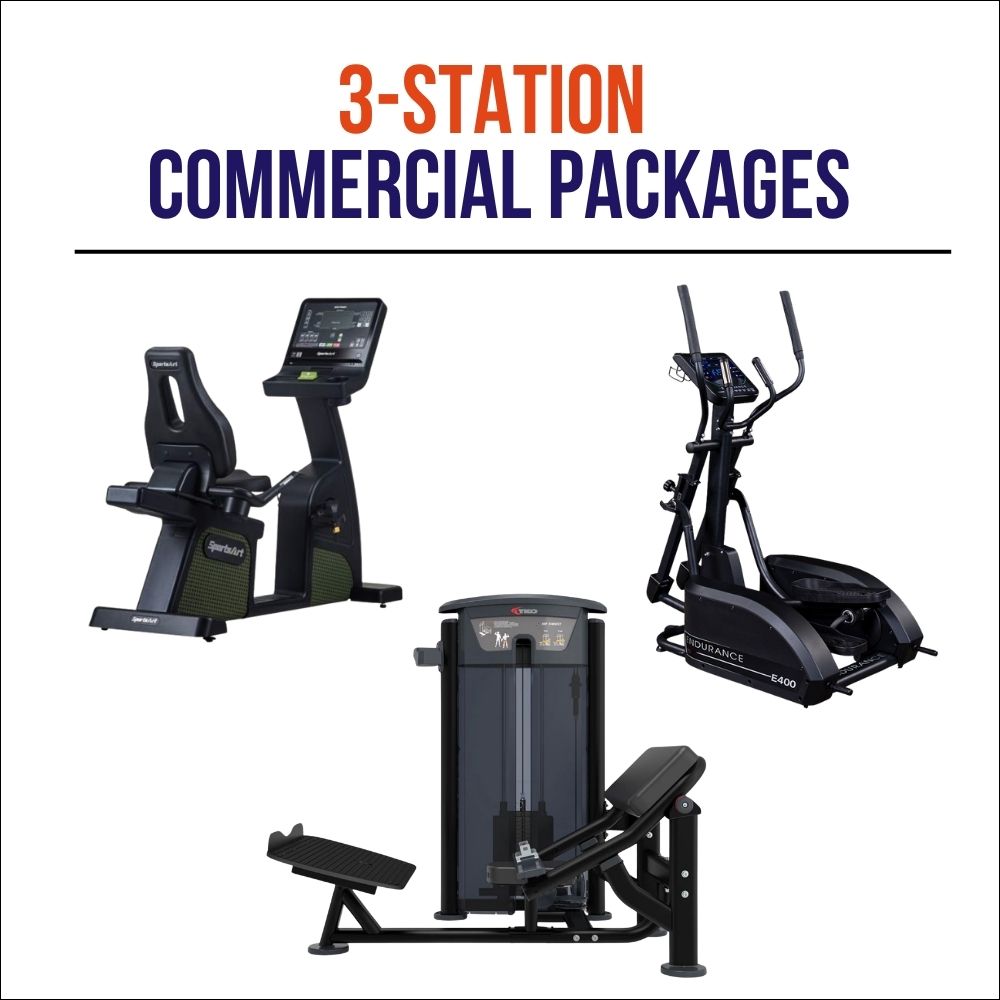
A well-planned facility should therefore provide multiple ways to train. Cardio equipment supports general wellness and conditioning, selectorized machines provide approachable resistance training, and free weights, racks, plate-loaded equipment, and functional systems create opportunities for more advanced strength and athletic development.

Space planning is especially important in higher-traffic campus environments. Equipment should be organized into logical training zones with adequate circulation, usable lifting space, and storage that helps keep weights and accessories off the floor.

What Makes a Good College Fitness Equipment Package?

Supports Different Campus Users

College fitness centers may serve beginners, recreational exercisers, experienced lifters, intramural athletes, and varsity programs. A varied equipment mix allows the facility to accommodate more of those users effectively.

Provides Room to Progress

Students may enter with very different levels of experience. Selectorized machines can provide an approachable starting point, while free weights, racks, functional training, and plate-loaded strength equipment allow users to progress into more advanced training.

Handles High-Volume Use

Campus recreation centers can experience heavy use throughout the day. Commercially rated equipment, durable finishes, appropriate weight capacities, and well-planned storage are especially important in high-traffic collegiate environments.

Creates Defined Training Zones

Separating cardio, selectorized strength, free weights, racks, functional training, and stretching areas can improve traffic flow and make larger facilities easier to navigate.

Supports Athletic Performance

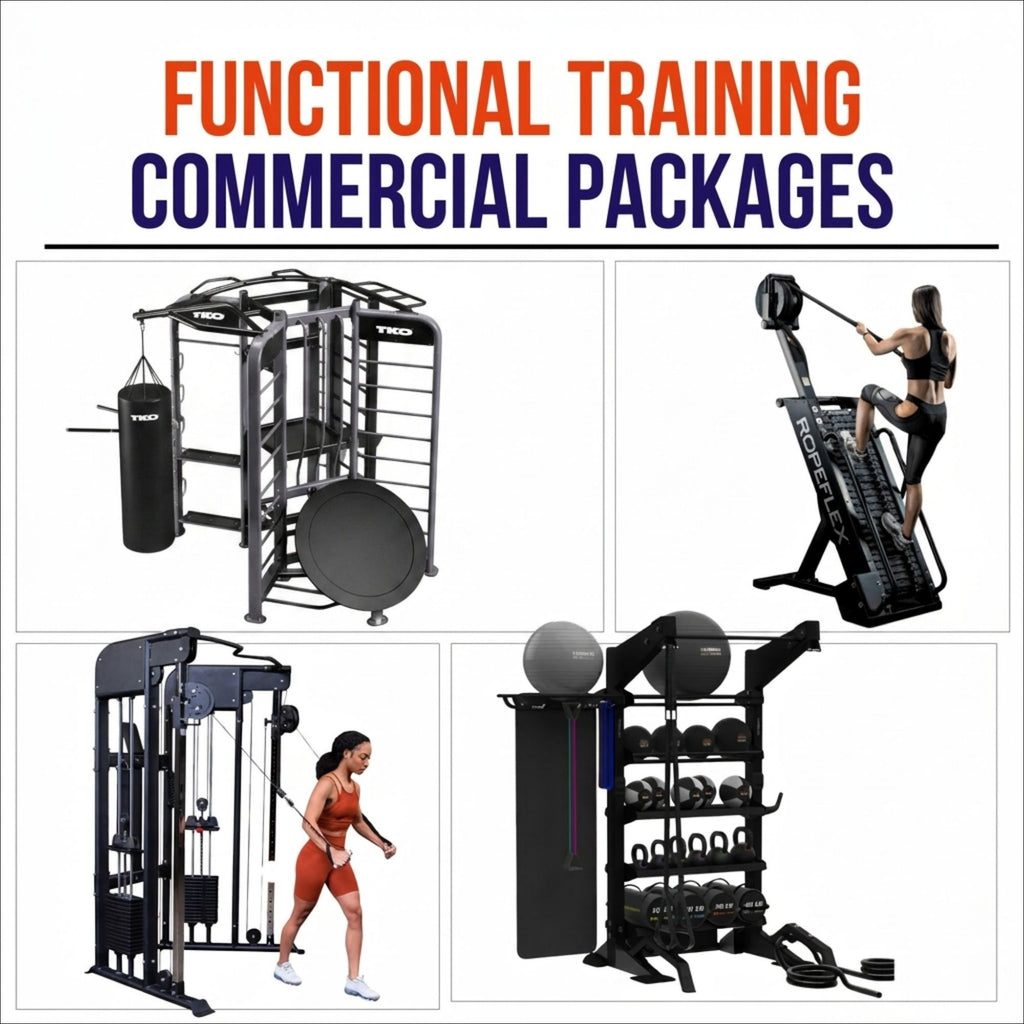
Where appropriate, racks, rigs, plate-loaded strength equipment, free weights, conditioning tools, and functional systems can support strength and conditioning programs in addition to general student fitness.

Keeps Large Facilities Organized

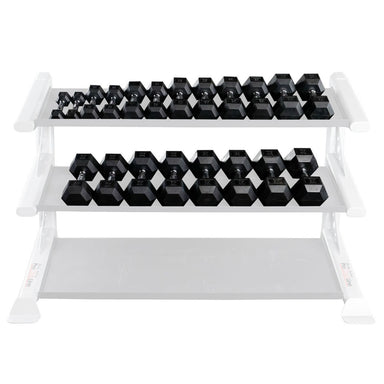
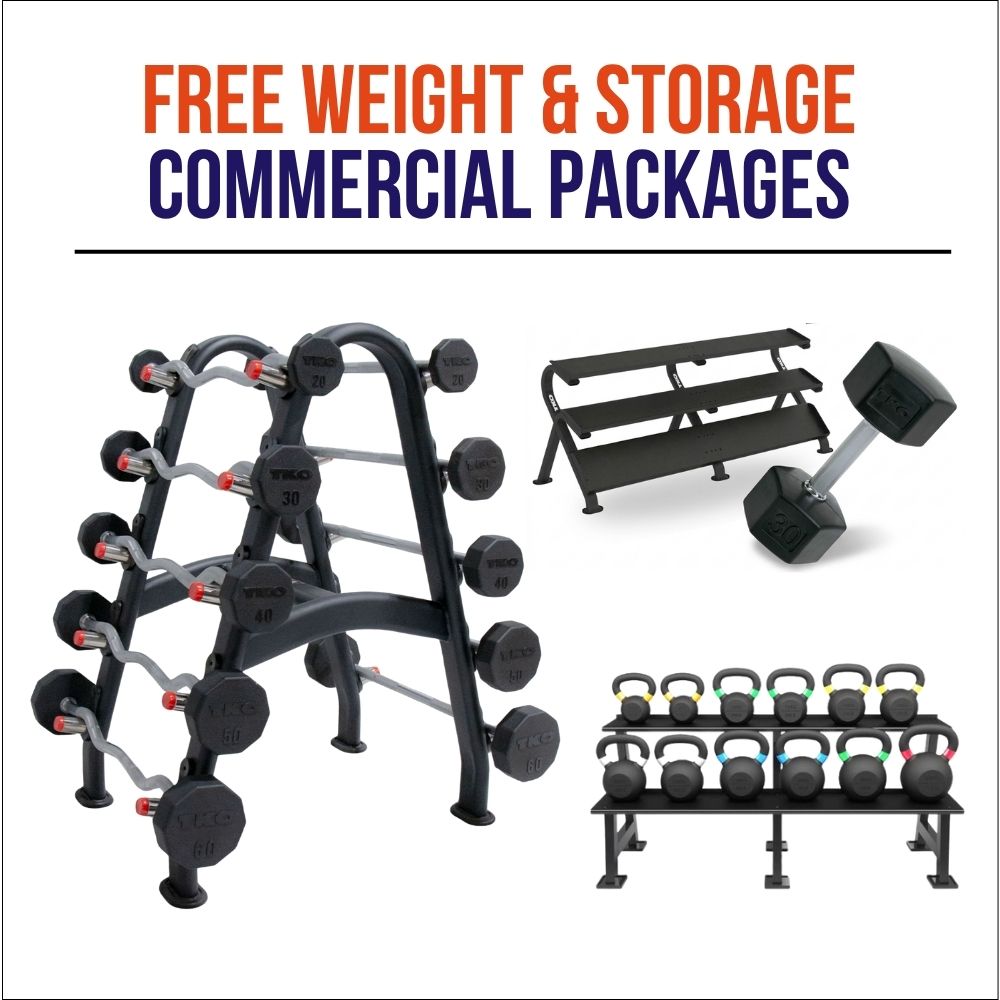
Barbell storage, plate trees, dumbbell racks, kettlebell storage, accessory organizers, and integrated storage systems help keep busy campus fitness centers cleaner and easier to manage.

Best For

College & University Fitness Packages are well suited for:

  • Campus recreation centers
  • University fitness centers
  • College weight rooms
  • Student wellness facilities
  • Residence hall fitness rooms
  • Collegiate strength and conditioning rooms
  • Athletic performance facilities
  • Intramural and recreational training spaces
  • Community college fitness centers
  • New campus construction projects
  • University gym renovations

Less Ideal For

A general collegiate fitness package may be less appropriate for highly specialized NCAA, elite performance, Olympic weightlifting, or sport-specific training centers that require extensive custom rack configurations, lifting platforms, specialty strength equipment, or highly specialized performance areas.

Those projects are usually better handled with a customized strength and conditioning equipment plan.

College fitness facilities can range from small residence hall gyms to large recreation centers and athletic strength facilities. These questions can help you plan the right mix of cardio, strength, free weights, performance equipment, and storage for your campus.

College & University Fitness Package FAQs

  • A comprehensive college fitness center may include commercial cardio equipment, selectorized strength machines, free weights, racks, plate-loaded equipment, functional training, and organized accessory storage. The exact mix should reflect the size of the facility, expected traffic, student population, training programs, and available budget.

  • The balance depends on how the facility will be used. General campus recreation centers typically need a strong cardio offering along with selectorized strength and free weights, while athletic or strength-focused facilities may dedicate more space to racks, plate-loaded machines, functional training, and lifting areas.

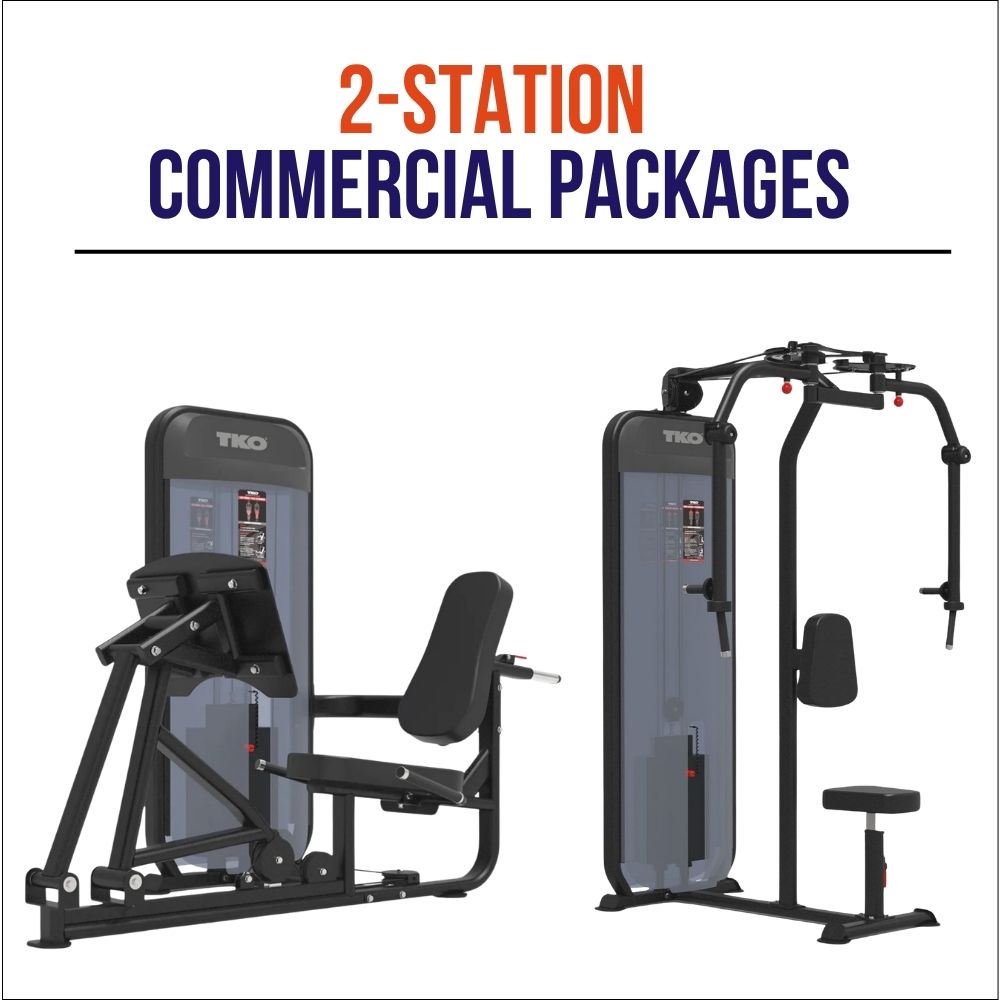
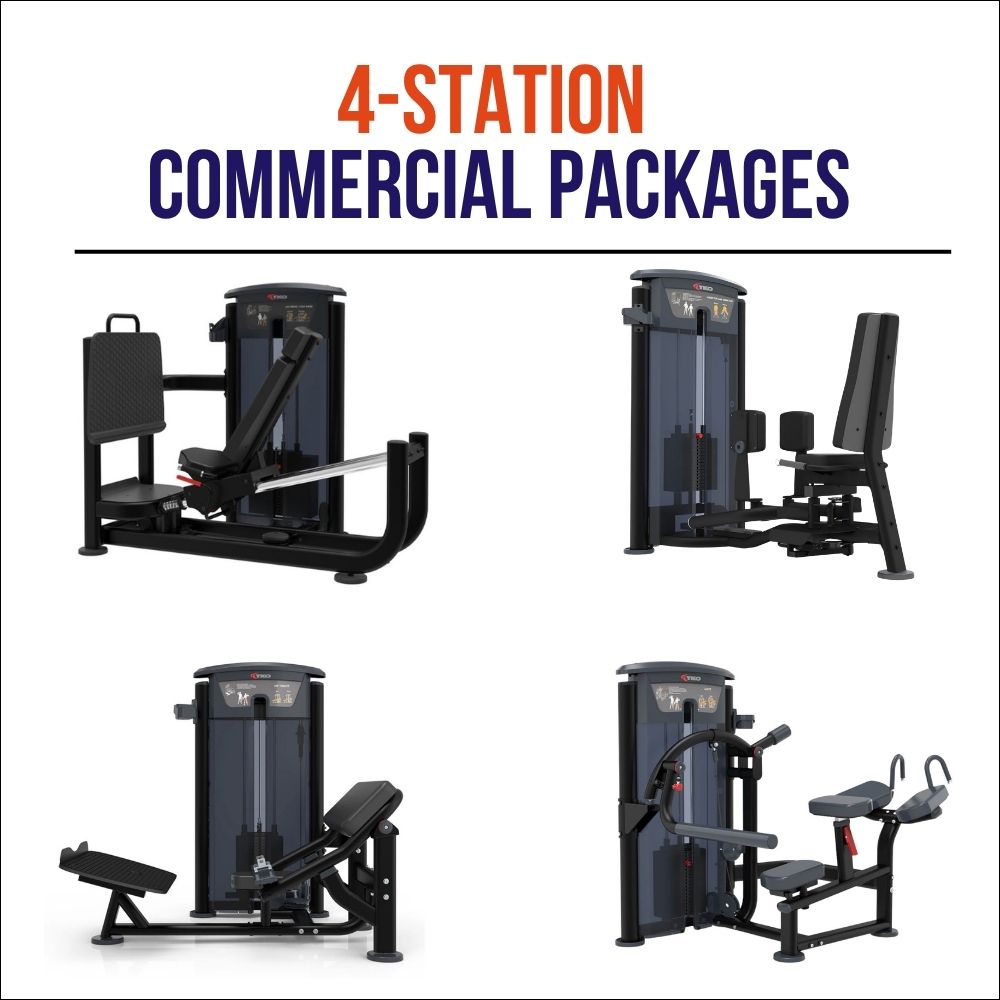
  • Most collegiate facilities benefit from a combination of selectorized machines, functional trainers, free weights, racks, benches, and appropriate plate-loaded strength equipment. Combining equipment types gives both newer and more experienced users useful training options.

  • Yes, free weights are typically an important component of collegiate fitness facilities. Dumbbells, barbells, benches, weight plates, and racks provide broad exercise variety and allow users to progress through different strength levels.

  • They can be an excellent addition, particularly in larger recreation centers, athletic facilities, and strength-focused training rooms. Plate-loaded equipment tends to appeal to experienced lifters and athletes, while selectorized equipment remains useful for students who prefer simpler resistance adjustments.

  • The appropriate number depends on room size, anticipated peak usage, program structure, and whether racks are primarily supporting general recreation or organized athletic training. Facilities serving groups at the same time generally require more rack stations than smaller recreational spaces.

  • Residence hall gyms usually benefit from compact, intuitive equipment such as cardio machines, selectorized strength equipment, functional trainers, dumbbells, and organized storage. Large rack systems or extensive plate-loaded equipment may be more appropriate for a central campus recreation center.

  • Create clear zones for cardio, selectorized strength, free weights, racks, functional training, and stretching. Leave sufficient circulation around equipment and avoid placing high-traffic training areas where they interfere with entrances, walkways, or other equipment stations.

  • Equipment should be chosen for repeated, high-volume use. Commercial construction, appropriate weight capacities, durable upholstery and finishes, and equipment designed for institutional environments are particularly important in busy campus facilities.

  • Use dedicated dumbbell racks, barbell holders, plate storage, kettlebell racks, medicine ball storage, and accessory organizers. Good storage reduces clutter, improves room flow, and makes it easier for staff and students to return equipment after use.

What can we help you with?

Whether you’re furnishing a campus recreation center, residence hall gym, university weight room, or athletic training facility, we can help you compare equipment packages and plan around your available space, users, training goals, and budget.

Send us a message