Skip to content

We’ll help you pick the right one

Commercial Fitness Equipment Packages

Explore professionally planned commercial gym equipment packages for apartments, hotels, schools, corporate wellness centers, rehabilitation facilities, public safety departments, recreation centers, and personal training studios.

Compare complete facility packages that may include commercial cardio equipment, selectorized strength machines, functional trainers, benches, free weights, storage, flooring, and accessories. Send us your floor plan, room dimensions, and estimated budget for a customized equipment recommendation.

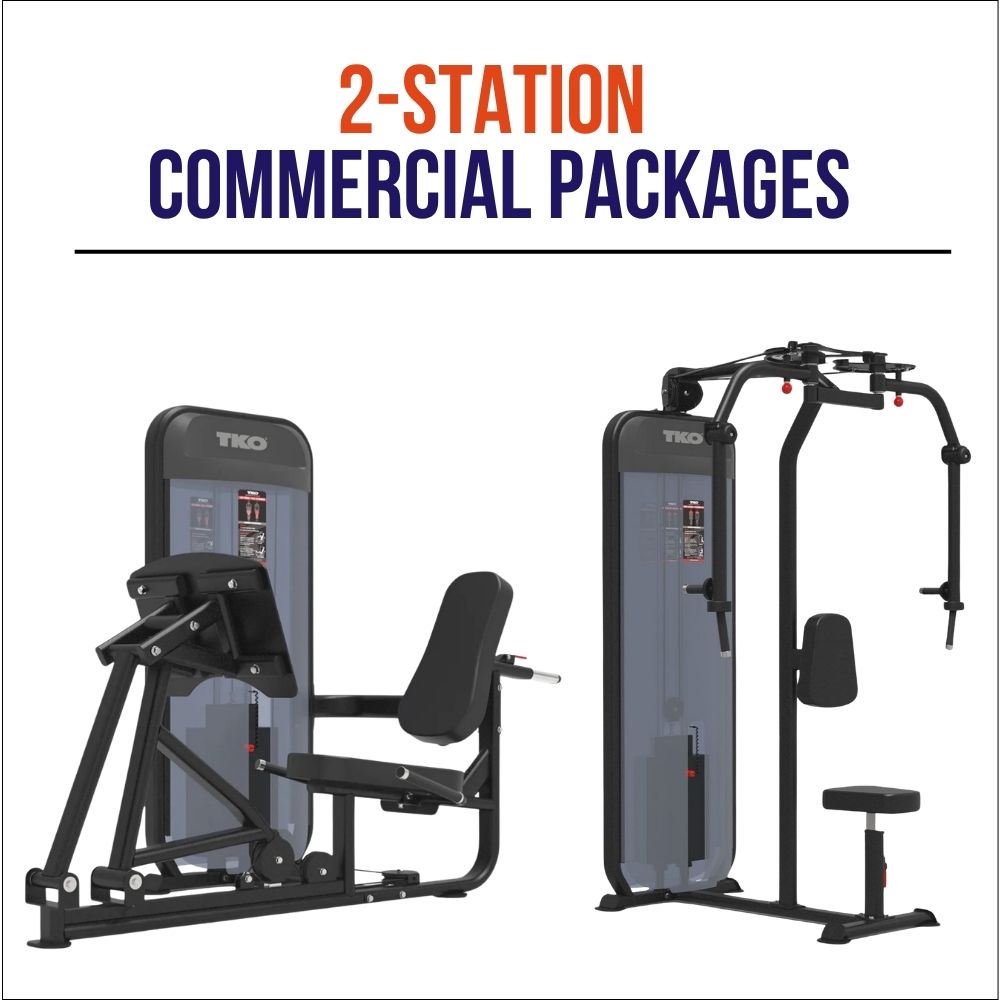
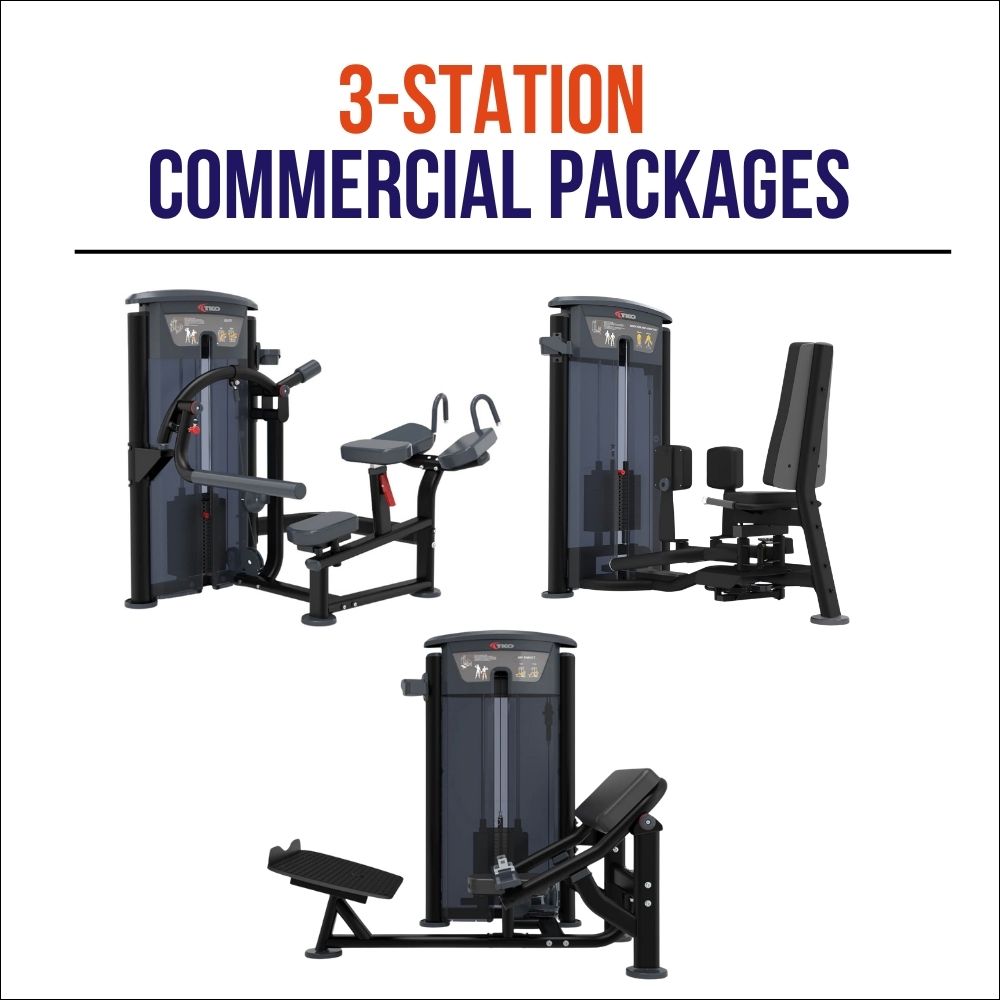
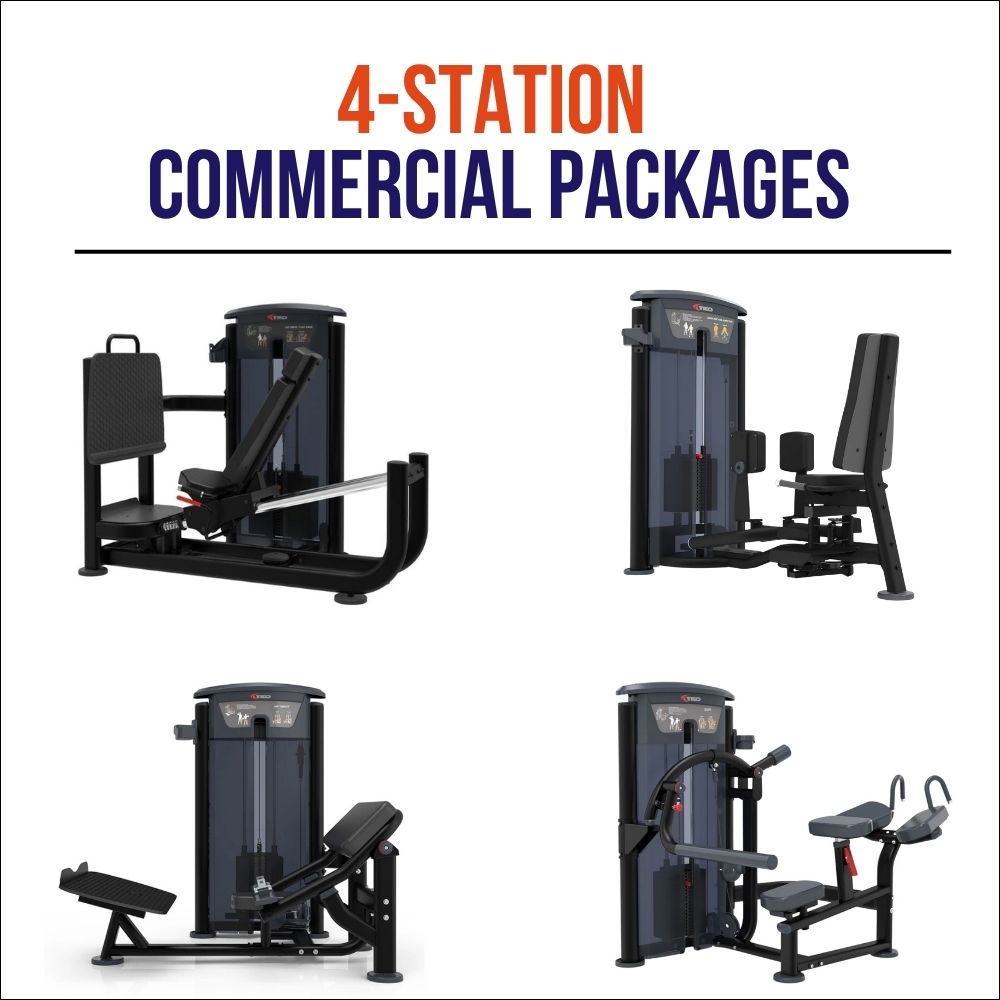
Shop by Package Size | 2-Station Packages | 3-Station Packages | 4-Station Packages 


How to Plan a Commercial Fitness Equipment Package

A commercial fitness room should be planned around the people using it, the training options they need, and the amount of usable space available. A package that works well in a hotel may not provide enough capacity for a school weight room, while equipment chosen for an athletic facility may be too specialized for a senior living community or corporate wellness room.

Start by identifying the facility type, expected users, available floor area, equipment priorities, and total project budget. From there, compare complete-room packages with more focused cardio, strength, free-weight, or functional-training solutions.

Start With the Facility and Its Users

Consider the age, experience level, mobility, and training goals of the people who will use the room. Also estimate how many people may exercise at the same time and whether the space will be supervised.

Plan the Entire Fitness Room

Equipment dimensions are only one part of the layout. The room also needs space for walking paths, machine access, adjustments, stretching, storage, entry doors, windows, structural columns, and required clearances.

Choose an Appropriate Equipment Mix

Most successful commercial fitness rooms include a balanced combination of cardiovascular training, strength training, and open exercise space. The exact mix should reflect the facility’s users rather than simply filling the room with the largest number of machines possible.

Add your buyer's guide content using the rich text editor. Highlight text to format as H2, H3, or H4 headings.

Add your buyer's guide content using the rich text editor. Highlight text to format as H2, H3, or H4 headings.

Add your buyer's guide content using the rich text editor. Highlight text to format as H2, H3, or H4 headings.

Add your buyer's guide content using the rich text editor. Highlight text to format as H2, H3, or H4 headings.

Add your buyer's guide content using the rich text editor. Highlight text to format as H2, H3, or H4 headings.

Add your buyer's guide content using the rich text editor. Highlight text to format as H2, H3, or H4 headings.

Add your buyer's guide content using the rich text editor. Highlight text to format as H2, H3, or H4 headings.

Add your buyer's guide content using the rich text editor. Highlight text to format as H2, H3, or H4 headings.

How to Choose the Right Commercial Fitness Equipment Package

What Type of Facility Are You Equipping?

Facility type affects equipment selection, capacity, accessibility, durability, and layout. Apartment and hotel fitness rooms often need compact, intuitive equipment, while schools, universities, public safety departments, and recreation centers may require greater training variety and higher user capacity.

Who Will Use the Fitness Room?

Identify the primary users and their expected fitness experience. A general-use room should include straightforward equipment with easy adjustments, while an athletic training facility may need heavier racks, free weights, plate-loaded machines, and specialized conditioning equipment.

How Many People Will Exercise at One Time?

A small room serving one to four users may work well with dual-function machines and compact cardio equipment. Facilities expecting larger groups need more stations, duplicate high-demand equipment, wider circulation paths, and enough open space to prevent crowding.

How Much Usable Floor Space Is Available?

Measure the full room, then subtract space occupied by doors, windows, columns, utility panels, storage, and required walkways. Equipment should not be selected from square footage alone; the shape of the room and placement of fixed obstacles can significantly affect the final layout.

What Training Categories Should Be Included?

Decide whether the facility needs cardiovascular training, selectorized strength, free weights, functional training, stretching, rehabilitation-focused equipment, or a combination of categories. Most general-use facilities benefit from a balanced mix rather than one equipment type dominating the room.

What Is the Complete Project Budget?

Plan for more than the equipment price. The total project may also include inside delivery, assembly, installation, flooring, storage, accessories, electrical requirements, and removal of existing equipment.

Will the Facility Expand Later?

Leave room for future equipment when possible. A smaller initial package can be designed as the first phase of a larger fitness room, allowing additional cardio machines, strength stations, free weights, or storage to be added later.

Compare Commercial Fitness Equipment Package Types

Complete Commercial Gym Packages

Complete gym packages combine multiple training categories into one coordinated equipment plan. Depending on the facility, they may include cardio machines, selectorized strength equipment, free weights, benches, racks, functional trainers, storage, and flooring.

Best for: New fitness rooms, facility renovations, schools, hotels, apartment communities, corporate wellness centers, recreation centers, and buyers who want one coordinated equipment plan.

Cardio and Strength Packages

Cardio and strength packages provide a balanced combination of aerobic training and resistance exercise. These packages are often practical for facilities that need broad training coverage without building a large free-weight area.

Best for: Hotels, apartments, corporate wellness rooms, senior living communities, smaller schools, and general-use fitness centers.

Commercial Strength Equipment Packages

Strength packages focus on selectorized machines, dual-function machines, functional trainers, racks, benches, or plate-loaded equipment. They may be organized as compact circuits, upper-body and lower-body combinations, or more complete strength-room solutions.

Best for: Schools, universities, public safety departments, recreation centers, personal training studios, athletic facilities, and facilities expanding an existing cardio area.

Commercial Cardio Equipment Packages

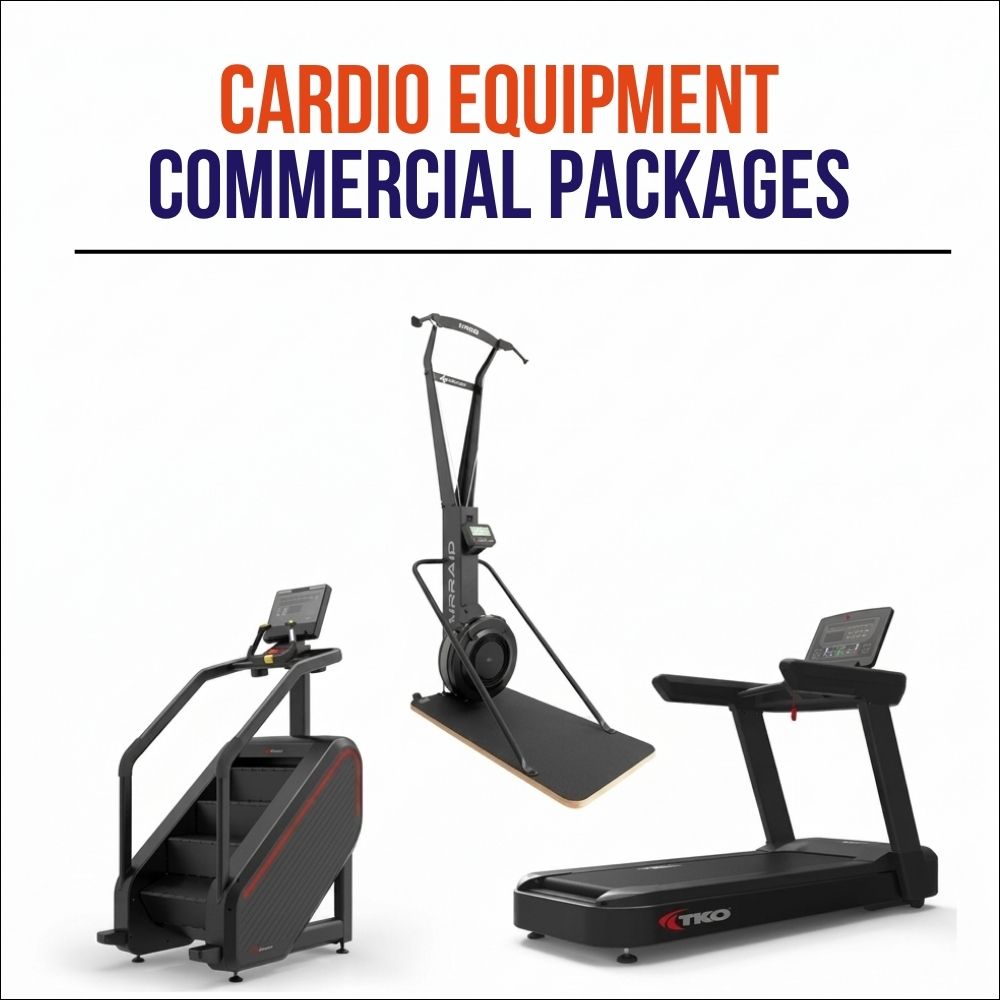
Cardio packages may include treadmills, ellipticals, upright bikes, recumbent bikes, rowers, stair climbers, and other conditioning equipment. The right mix depends on expected usage, user preferences, available electrical service, and room size.

Best for: Hotels, multifamily properties, senior living communities, corporate wellness centers, rehabilitation facilities, and facilities replacing an existing cardio lineup.

Free Weight and Rack Packages

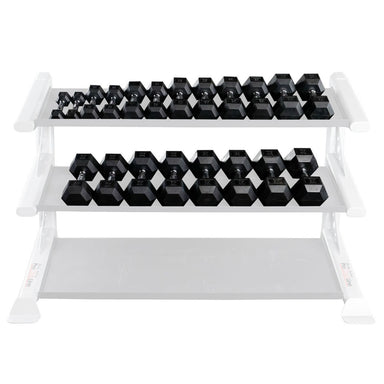
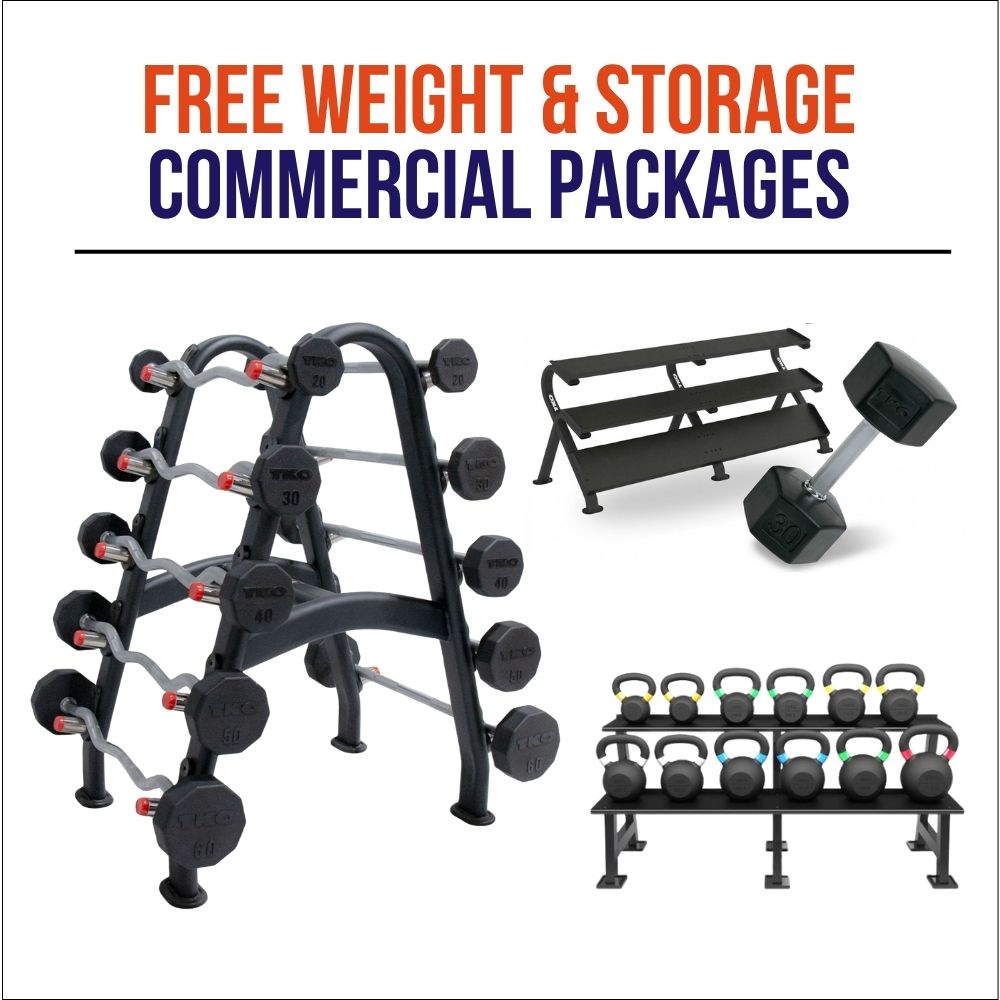
Free-weight packages typically combine dumbbells, storage racks, benches, barbells, plates, power racks, half racks, or lifting platforms. These packages require careful attention to flooring, clearance, supervision, and storage.

Best for: Schools, colleges, police and fire departments, personal training studios, athletic-performance facilities, and commercial gyms.

Functional Training Packages

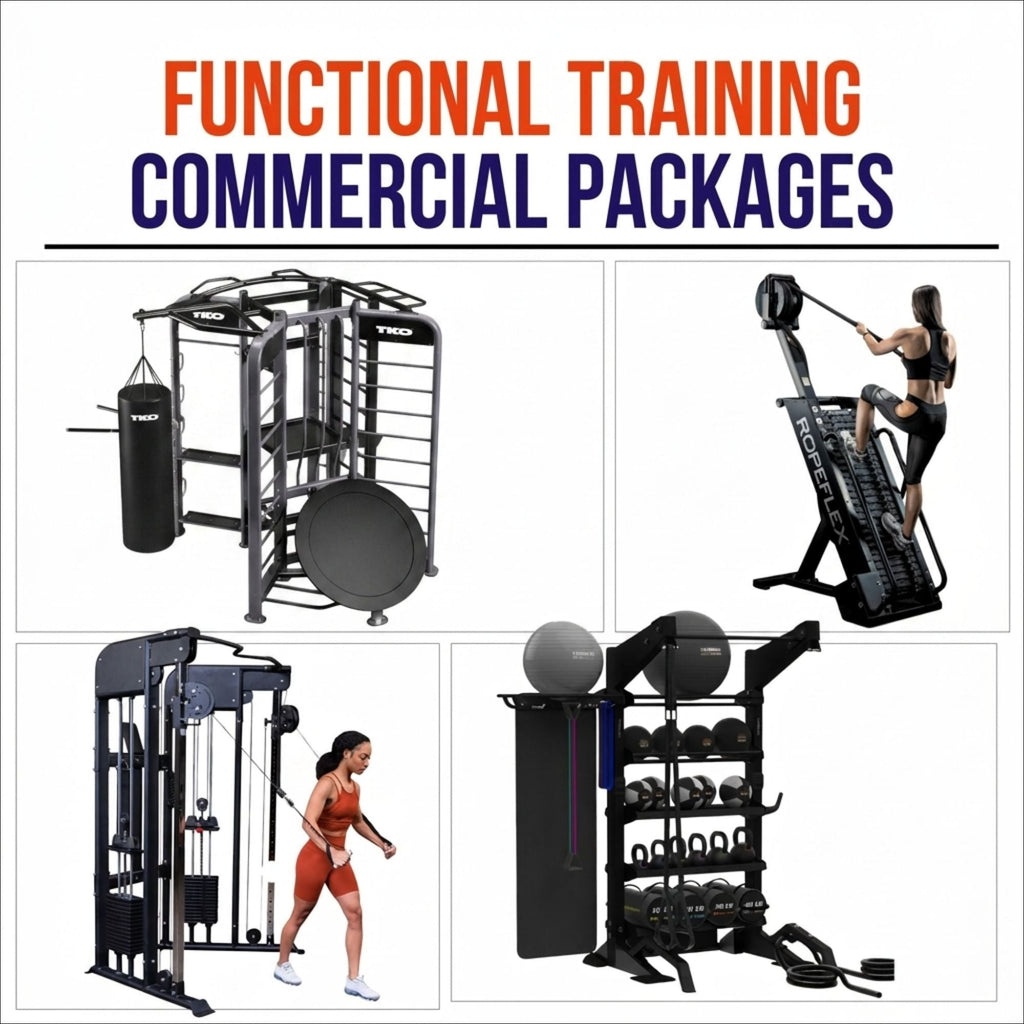
Functional training packages may include cable systems, functional trainers, suspension systems, rigs, kettlebells, medicine balls, resistance accessories, and open training space.

Best for: Personal training studios, corporate wellness rooms, physical therapy facilities, athletic training spaces, schools, and facilities that want adaptable exercise options.

Common Commercial Fitness Room Planning Mistakes

Buying Equipment Before Planning the Layout

Choosing products before confirming room dimensions can result in crowded walkways, blocked doors, inadequate user clearance, or equipment that cannot be positioned as intended.

Using the Same Equipment Mix for Every Facility

A hotel, school, rehabilitation clinic, apartment gym, and police training room should not be equipped with the same priorities. The package should reflect the facility’s users, supervision, capacity, and training goals.

Overfilling the Room

More equipment does not always create a better fitness room. A smaller number of well-selected machines with comfortable access and open training space is often more useful than a crowded room with limited circulation.

Ignoring Delivery Access

Measure loading areas, exterior doors, interior doorways, elevators, stairwells, hallways, and tight turns. Large commercial machines may require partial disassembly, special handling, or professional installation.

Forgetting Flooring and Storage

Free weights, racks, functional accessories, and high-impact training may require protective commercial flooring. Smaller equipment also needs organized storage so the room remains usable and presentable.

Comparing Packages by Price Alone

Package value also depends on equipment durability, warranty coverage, user capacity, adjustment range, footprint, freight requirements, assembly needs, and how well the products support the facility’s intended use.

Mixing Residential and Commercial Equipment Without Checking Usage Ratings

Equipment should be selected according to the manufacturer’s intended environment and warranty terms. A product designed for home use may not be appropriate for a shared fitness room with frequent daily use.

Failing to Plan for Future Expansion

A layout that uses every available inch may leave no room for future cardio machines, strength stations, free weights, storage, stretching, or accessibility improvements.

Still planning your facility? These answers address the equipment, space, layout, delivery, and purchasing questions buyers commonly ask when comparing commercial fitness equipment packages.

Commercial Fitness Equipment Package FAQs

  • A commercial fitness equipment package may include treadmills, ellipticals, exercise bikes, rowers, selectorized strength machines, functional trainers, racks, benches, dumbbells, barbells, weight plates, storage, mats, flooring, and training accessories. The exact equipment is listed on each package page or formal quote.

  • A complete gym package combines multiple equipment categories, such as cardio, strength, free weights, and accessories. A strength equipment package focuses primarily on resistance-training equipment such as selectorized machines, dual-function stations, racks, benches, or free weights.

  • Start with accurate room dimensions and note doors, windows, columns, utility panels, ceiling height, and other fixed obstructions. Equipment footprints must then be evaluated with user clearance, access, adjustments, and walking paths. A floor plan or room sketch is more useful than square footage alone.

  • Yes. Packages can be adjusted according to facility type, room size, expected users, preferred equipment categories, brand preferences, budget, and project timeline. Products may be removed, substituted, or added when compatible alternatives are available.

  • A small general-use room often begins with one or two cardio machines, a compact functional trainer or dual-function strength machine, an adjustable bench, and a manageable free-weight or accessory area. The best starting mix depends on the facility’s users and available space.

  • There is no universal ratio. Hotels and senior living communities may dedicate more space to accessible cardio equipment, while schools, public safety departments, and training studios may require more strength and free-weight capacity. The equipment mix should follow actual user demand.

  • Dual-function machines are useful when a facility needs multiple exercises but has limited floor space. They are commonly used in apartments, hotels, corporate wellness rooms, smaller schools, senior living facilities, and personal training studios.

  • Send the room dimensions, ceiling height, doorway and delivery-path measurements, floor plan or sketch, photos or video, facility type, expected users, equipment priorities, budget range, and desired completion date.

  • Flooring should be considered during the equipment-planning stage. Free weights, racks, plate-loaded machines, and high-impact training generally require more protection than lighter cardio or selectorized equipment. Flooring thickness and installation method may also affect door clearance and equipment stability.

  • These facilities often prioritize easy entry, stable seating, clear adjustments, controlled movement, appropriate starting resistance, and accessible cardio options. Clinical suitability and exercise programming should be reviewed by the facility’s licensed rehabilitation or medical professionals.

Send us a message