Skip to content

We’ll help you pick the right one

Traditional Saunas

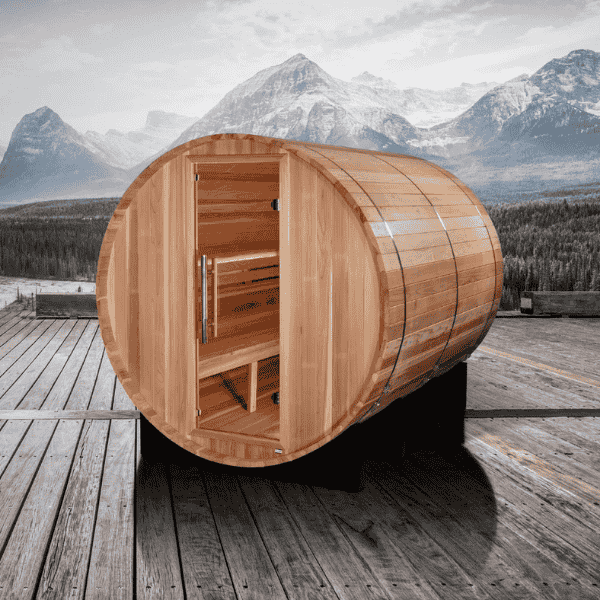
Shop traditional saunas for home relaxation, recovery, and everyday wellness. Compare indoor, outdoor, barrel, and hybrid models by size, heater type, features, and price.

Traditional saunas heat the air with a sauna heater and can produce steam when water is added to heated stones. Shoppers may also call these traditional steam saunas; compare each model’s specifications, capacity, and installation needs before choosing.

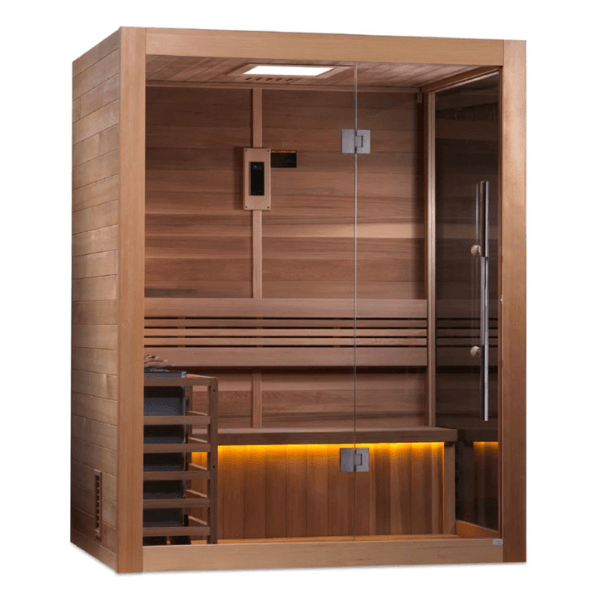
Golden_Designs_Hanko_Edition_2_Person_Indoor_Traditional_Sauna_GDI-7202-01_right_front_Side_View_1

Traditional Sauna Buyer’s Guide

Traditional saunas heat the air inside the cabin with a sauna heater and heated stones. They are a strong fit for shoppers who prefer a classic high-heat sauna experience at home, with indoor, outdoor, barrel, and hybrid options available.

Traditional Sauna vs. Steam Room

A traditional sauna uses a heater to warm the air and stones. Water can be added to the stones to create a brief burst of steam and humidity. A steam room uses a dedicated steam generator to create continuous wet heat. Shoppers may refer to traditional sauna models as traditional steam saunas, but the installation, humidity, and equipment are different.

Indoor vs. Outdoor Traditional Saunas

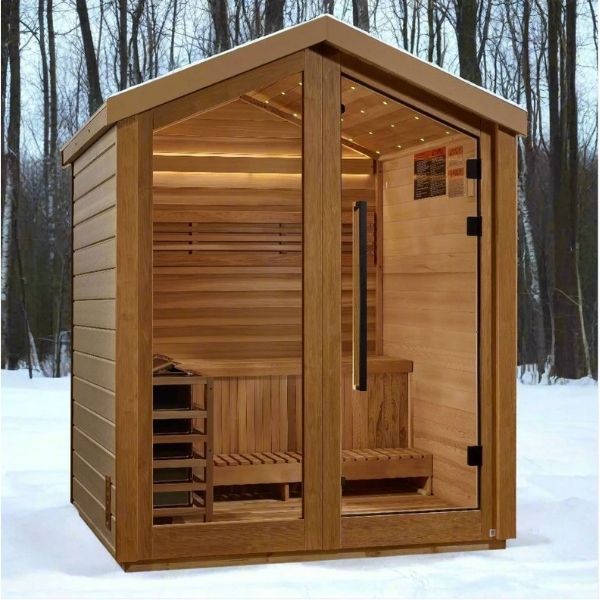
Indoor traditional saunas work well in a spare room, basement, home gym, or dedicated wellness space. Outdoor models create a backyard sauna experience but require suitable site preparation, electrical planning, weather considerations, and a clear delivery path. Compare each model’s dimensions and installation requirements before ordering.

Choose the Right Sauna Size

A 2-person traditional sauna is a practical choice for couples and compact spaces. A 3- or 4-person model gives users more room and works well for regular family use. Larger 6-person traditional saunas are better suited to bigger households, entertaining, or a dedicated home wellness area. Always review the exterior footprint, not just the listed seating capacity.

Traditional Sauna vs. Infrared Sauna

Traditional saunas heat the cabin air with a sauna heater, creating the classic hot-room experience. Infrared saunas use infrared heaters and operate at lower ambient temperatures. The better choice depends on your preferred heat style, available space, electrical setup, and whether you want an indoor or outdoor installation.

Before You Order

Review the product’s seating capacity, exterior dimensions, heater and electrical requirements, delivery access, assembly needs, and recommended clearances. If you are deciding between indoor, outdoor, barrel, or hybrid models, contact our equipment team before ordering.

Frequently Asked Questions

  • A traditional sauna is typically a wooden room heated by either electricity, gas, or a wood stove. The heat is radiated through rocks placed on the stove, creating a dry, high-heat environment. The temperature usually ranges from 150°F to 195°F (65°C to 90°C). These saunas are perfect for those who prefer a classic sauna experience with natural heat sources and a relaxing atmosphere.

  • No. The sauna heater warms the cabin without water. Adding water to suitable heated stones creates temporary steam and changes the humidity of the experience.

  • The decision between a traditional sauna and an infrared sauna depends on your individual needs. Traditional saunas provide an authentic, high-heat experience with ambient steam, perfect for relaxation and improving circulation. Infrared saunas, on the other hand, offer targeted heat that penetrates deeper into the skin, aiding in detoxification and pain relief. If you enjoy a more classic sauna experience with immediate heat, a traditional steam sauna is your best choice. If you’re focused on specific health concerns like muscle recovery or skin rejuvenation, you might prefer an infrared sauna.

  • While traditional saunas are generally more expensive to run than infrared saunas, they are still quite affordable. Traditional steam saunas typically cost between $20 and $30 per month to operate, depending on how often you use them. The cost mainly stems from the energy needed to heat the sauna, but it remains an economical option for those who enjoy regular sauna sessions. An idle sauna doesn’t consume electricity, making it a low-maintenance option when not in use.

Send us a message