Skip to content

We’ll help you pick the right one

Bench Presses & Bench Press Racks

Shop bench presses and bench press racks for dedicated barbell pressing at home, in training studios, and in commercial strength facilities. Compare flat, incline, decline, Olympic and shoulder press stations, along with bench-and-rack combinations designed to provide stable bar positioning and efficient plate-loaded strength training.

From compact bench press setups to heavy-duty commercial Olympic benches, the right station depends on your preferred press angle, training load, available space, adjustability and whether you want an integrated bench or a separate rack-and-bench setup.

Choosing the Right Bench Press Setup

A dedicated bench press station brings the bench, bar supports and lifting position together in one purpose-built strength station. Unlike placing a movable bench inside a power rack, many Olympic bench presses use an integrated bench and barbell rack, creating a consistent setup for flat, incline, decline or shoulder pressing.

The best design depends on more than how much weight you plan to lift. Consider the press angle, rack adjustability, bench position, spotting access, plate storage, overall footprint and intended facility use.

For commercial facilities, also consider how easily different users can adjust the station and whether a fixed-angle design may be more practical for repeated daily use.

Types of Bench Presses & Bench Press Racks

Flat Bench Presses

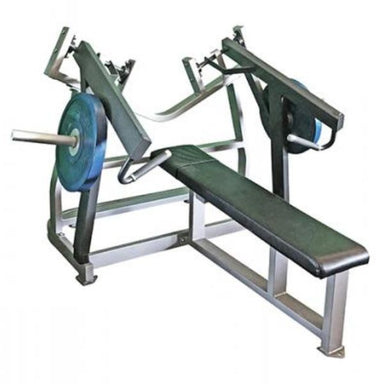
Flat Olympic bench presses provide a dedicated horizontal pressing position for traditional barbell bench presses.

Because the bench and bar supports are positioned together, these stations are straightforward to use and especially well suited to commercial strength rooms where the same movement is performed repeatedly throughout the day.

Incline Bench Presses

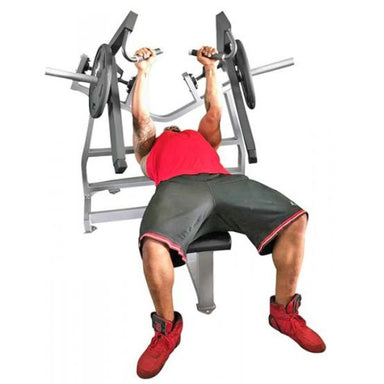
Incline bench presses position the torso at an upward angle to shift more of the training emphasis toward the upper chest and shoulders.

Some are fixed at a dedicated incline, while others provide adjustment depending on the design.

Decline Bench Presses

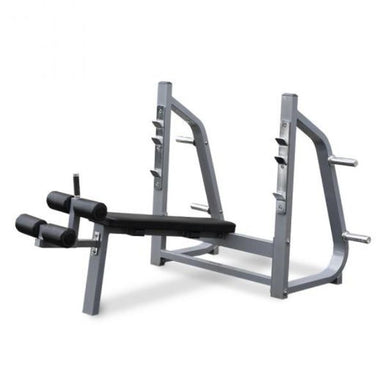
Decline stations position the torso below the hips and typically include additional lower-body support to help secure the lifter during pressing.

These are more specialized than flat or incline stations and are most commonly found in larger strength facilities.

Shoulder & Military Press Benches

Shoulder or military press benches place the lifter in a much more upright position for overhead barbell pressing.

They belong within this hub because they use the same basic integrated bench-and-bar-support architecture, but they serve a different pressing angle than traditional chest-focused bench stations.

Bench Press Rack & Bench Combinations

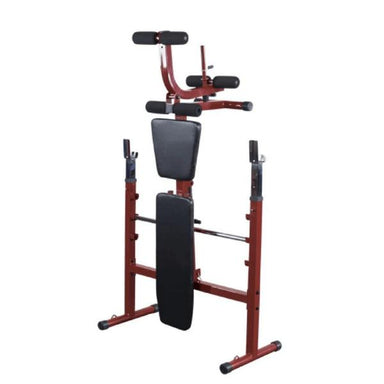
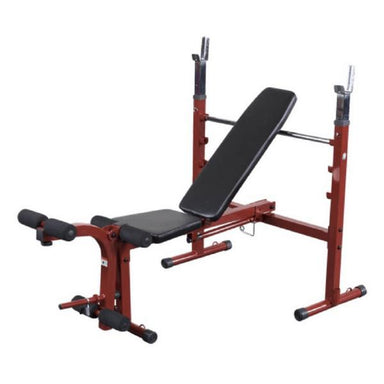
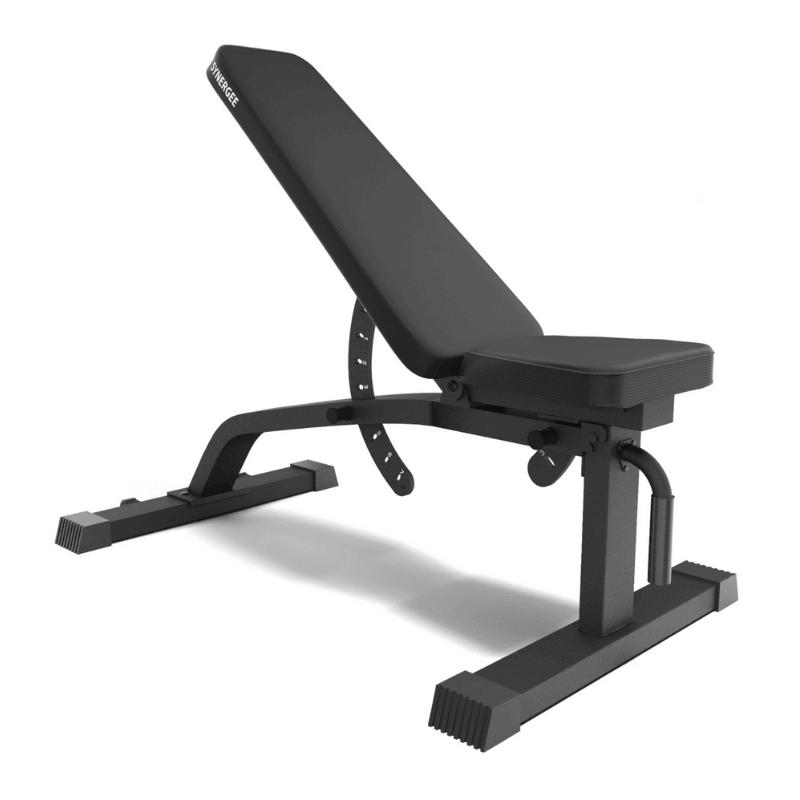
Some systems pair an adjustable or removable bench with a dedicated barbell rack.

These offer more flexibility than a fixed Olympic bench because the bench may support several exercises or positions rather than one dedicated press.

Fixed Olympic Bench vs Adjustable Bench & Rack

The first major decision is whether you want a dedicated pressing station or a more flexible rack-and-bench combination.

Fixed Olympic Bench Press

A fixed Olympic bench is built around a particular pressing position.

Its advantage is simplicity. The rack, bench and lifting position are already aligned, making it particularly useful in commercial gyms, schools and strength facilities where equipment needs to be intuitive for many users.

Fixed stations also eliminate the need to repeatedly reposition a loose bench beneath the bar.

The tradeoff is specialization: a fixed flat bench press primarily occupies floor space for flat pressing.

Adjustable Bench & Rack

A separate or adjustable bench-and-rack configuration offers greater exercise variety.

Depending on the equipment, the bench may be repositioned for flat, incline or other exercises and sometimes moved away from the rack entirely.

That flexibility can be valuable in home gyms and smaller training rooms where every piece of equipment needs to perform more than one job.

Rack Adjustability, Spotting & Safety

A bench press station should be evaluated as a complete lifting position—not simply as a bench with uprights.

Bar Height

The bar should be positioned high enough that the lifter can unrack it without losing shoulder position, but not so high that reaching for the bar becomes difficult.

Multi-position bar catches are especially useful in facilities serving users of different heights and arm lengths.

Spotter Access

Commercial Olympic benches often use open-frame designs that allow a spotter to stand behind the lifter.

If heavy barbell training is expected, consider how easily a spotter can reach the bar without the frame or bench interfering.

Secondary Bar Catches

Some commercial bench stations provide multiple racking positions or lower catches.

These can improve usability, but features vary significantly between models. Compare the actual rack design rather than assuming every Olympic bench provides the same safety system.

Training Alone

A dedicated bench press station should not automatically be considered equivalent to lifting inside a power cage with properly positioned safeties.

Lifters who routinely bench heavy without a spotter should pay particular attention to the safety system provided by the equipment.

Planning Space for a Bench Press Station

The listed dimensions of the machine are only the starting point.

Allow Room for a Seven-Foot Barbell

Most Olympic bench stations are designed around a standard Olympic bar.

You need clearance beyond both ends of the bar to load and remove plates comfortably.

Leave a Spotter Zone

If the station will be used for heavy training, leave adequate space behind the head of the bench for spotting.

Plan Plate Storage Nearby

Bench press stations generate considerable plate traffic.

Integrated weight horns can reduce trips across the gym, while facilities without integrated storage should plan a plate tree or storage rack close enough to the station without obstructing circulation.

Consider Multiple Stations Together

Schools, collegiate weight rooms and performance facilities often install several pressing stations.

In these environments, spacing should account for loaded barbells, plate changes, spotters and walking paths, not merely the dimensions of each bench.

Which Bench Press Setup Should You Choose?

Choose a Flat Olympic Bench Press

If traditional barbell bench pressing is the priority and you want a dedicated, straightforward station.

Choose an Incline Bench Press

If upper-chest and incline pressing are important enough to justify a dedicated station.

Choose a Decline Bench Press

If decline barbell pressing is part of your programming and you need the body support and positioning provided by a purpose-built decline station.

Choose a Shoulder Press Bench

If you want a dedicated upright barbell pressing station for shoulder and overhead strength work.

Choose an Adjustable Bench & Rack Combination

If versatility matters more than having one permanently configured pressing position.

Choose Commercial Construction

For schools, apartment gyms, health clubs, performance centers and other multi-user environments, prioritize frame construction, upholstery durability, bar-catch design, stability and equipment intended for repeated daily use.

Bench Press Station vs Power Rack & Bench

Both setups can support barbell bench pressing, but they solve different problems.

Choose a Dedicated Bench Press Station When

You want a purpose-built pressing area that stays correctly positioned.

This is particularly useful in commercial gyms where a flat, incline or shoulder press station may be used repeatedly by different members throughout the day.

There is no need for each user to move and realign a bench inside a rack.

Choose a Power Rack & Adjustable Bench When

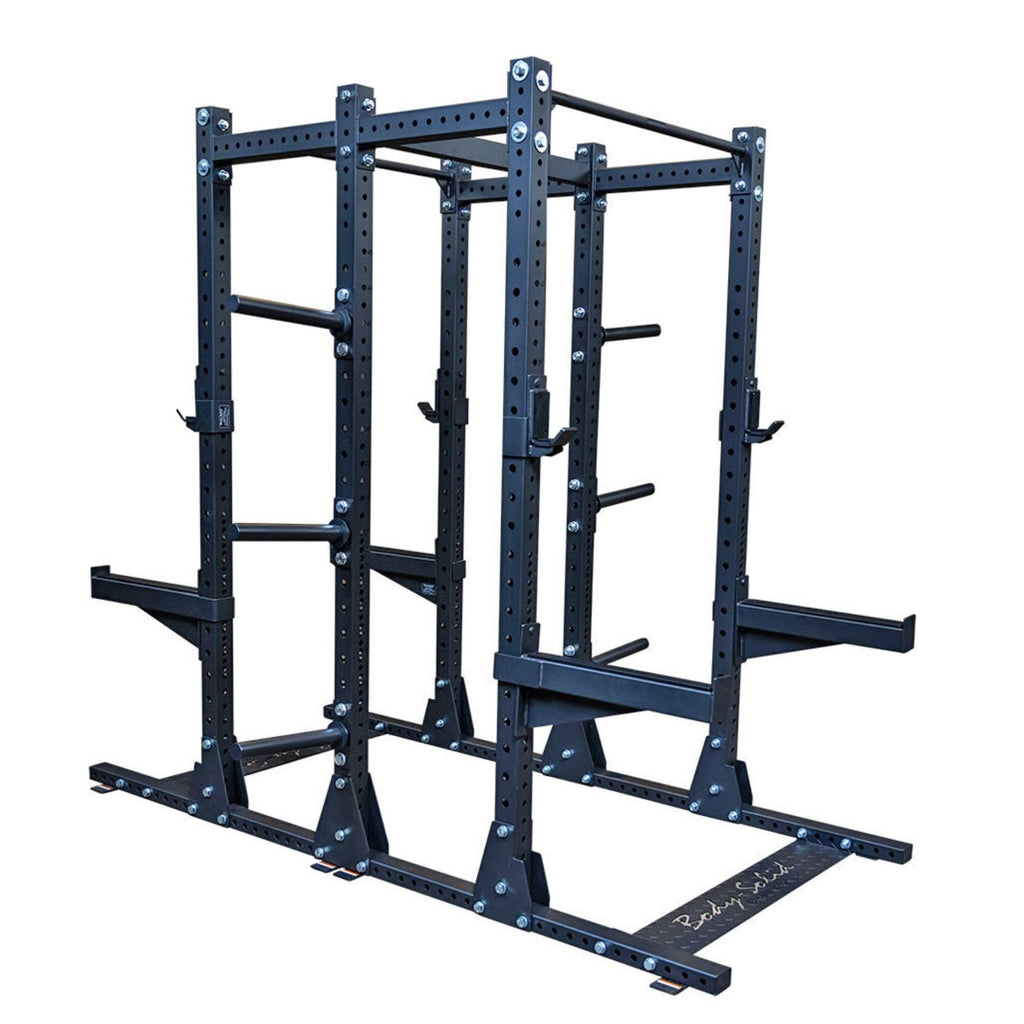
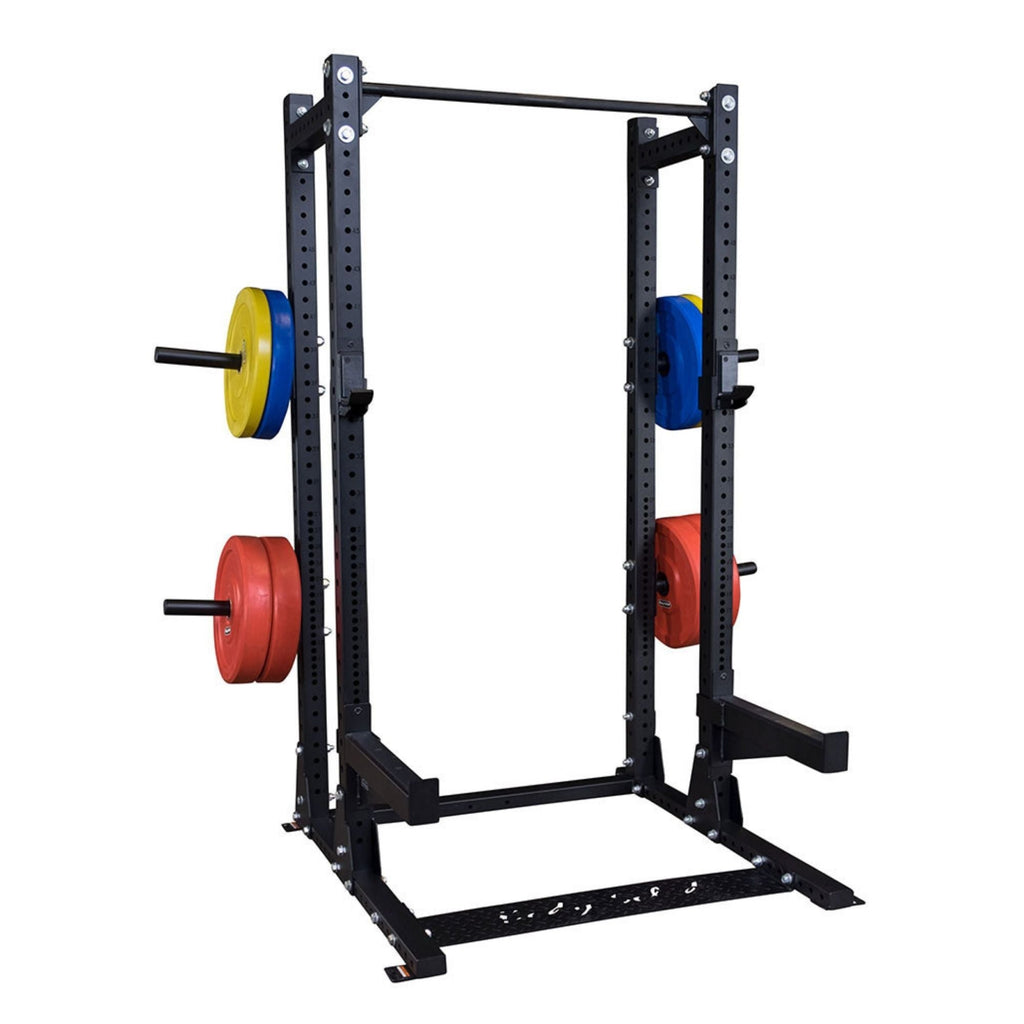
You need one station to support squats, bench presses, rack pulls, overhead presses and other barbell exercises.

A rack-and-bench combination generally offers greater exercise versatility and can provide enclosed safety options that a traditional Olympic bench station does not.

Which Is Better for a Home Gym?

For most home gyms with limited floor space, a quality adjustable bench paired with a rack may provide greater overall versatility.

A dedicated Olympic bench makes more sense when bench pressing is a training priority or when there is enough room for specialized strength stations.

Common Bench Press Buying Mistakes

Assuming every Olympic bench is adjustable. Many commercial Olympic benches are intentionally fixed at one pressing angle.

Ignoring unrack height. Bar position affects comfort and shoulder positioning before the repetition even begins.

Forgetting about barbell clearance. The bench may fit the room while the loaded Olympic bar does not.

Not planning for spotting. Leave usable space behind and around the station when spotters will be involved.

Buying a dedicated station when versatility is more important. A rack and adjustable bench may be the better investment for a small home gym.

Assuming an integrated bench press offers the same safety as a power cage. The safety architecture can be very different.

Overlooking plate storage. Commercial facilities should consider how users will retrieve, load and return plates around the station.

Choosing by weight capacity alone. Rack geometry, stability, upholstery, adjustability and intended use matter just as much as the maximum published load.

Still comparing bench press setups? These answers cover the most common questions about bench press racks, Olympic benches, safety, space, and choosing the right configuration.

Bench Press & Bench Press Rack FAQs

  • A bench press station generally combines the bench and barbell supports into one purpose-built pressing station. A bench press rack may refer primarily to the bar-support structure and can sometimes be paired with a separate bench.

  • An Olympic bench press is designed for barbell pressing with an Olympic-style bar and typically combines a substantial bench with integrated uprights or bar catches. Commercial models are commonly built as dedicated flat, incline, decline or shoulder press stations.

  • No. A regular weight bench may be a standalone flat or adjustable bench with no barbell rack. An Olympic bench press generally incorporates the barbell support structure into the station.

  • Choose a fixed flat station when dedicated flat barbell pressing is the priority. Choose an adjustable bench-and-rack configuration when you want more pressing angles or need the bench for additional exercises.

  • Flat pressing positions the torso horizontally. Incline pressing raises the torso, changing the pressing angle and placing greater emphasis on the upper chest and shoulders.

  • A decline bench positions the torso downward relative to the hips for decline pressing. Purpose-built decline stations typically provide additional body or leg support to maintain positioning.

  • Only when the equipment is designed for the appropriate upright or shoulder-press position. Dedicated Olympic shoulder or military press benches are specifically built for this type of pressing.

  • That depends on the station's safety design and the load being used. A traditional Olympic bench should not automatically be treated as having the same protection as a power rack with correctly positioned safeties.

  • Account for the full equipment footprint, the width of the Olympic bar, room to load plates, access around both sides and space behind the bench if a spotter will be used.

  • Not necessarily. Included equipment varies by product. Check the individual product listing to determine whether the barbell, plates or other accessories are included.

Find the Right Bench Press Setup

Tell us about your training goals, available space and facility type, and we’ll help you compare bench press stations and rack-and-bench configurations.

Send us a message